
Let’s all farm together to provide naturally grown food products to future generations.


Natural Farmers With Positive Response
"According to Kokku Ashoka’s natural farming method, using beneficial microbial fertilizers and microbial pesticides instead of chemical pesticides allows for the protection of all types of crops from pests and diseases, while also achieving high yields without causing any harm."
Short Note
Welcome to the inspiring world of Ashoka Natural Farming.
Ashoka Natural Farming is not only about making agriculture sustainable but also plays a key role in land regeneration and soil empowerment. These practices restore soil fertility, biodiversity, and water conservation, producing healthy, nutrient-rich food. Natural farming increases soil humus content, increases soil biodiversity by up to 30%, improves water storage capacity, and reduces water and air pollution.
Natural farming practices help to maintain environmental sustainability by improving soil structure, increasing water retention, and promoting microbial activity. These practices reduce the use of chemicals and pesticides, increase crop diversity, and restore ecological balance.
These practices, which view the earth and its living beings in harmony, range from ancient practices to modern technologies, and aim to bring positive change to farmers from the grassroots level. Through natural farming, the losses caused by chemical-based agriculture can be reversed, the soil can be enriched, and the health and well-being of all living beings can be enhanced.
Natural farming practices are a key driver in regenerating land, enhancing biodiversity, conserving water, and building sustainable ecosystems. This exciting journey requires farmers and environmentalists around the world to partner together.
Years Experience
Natural Farmers
Types of Ashoka Cultures & More
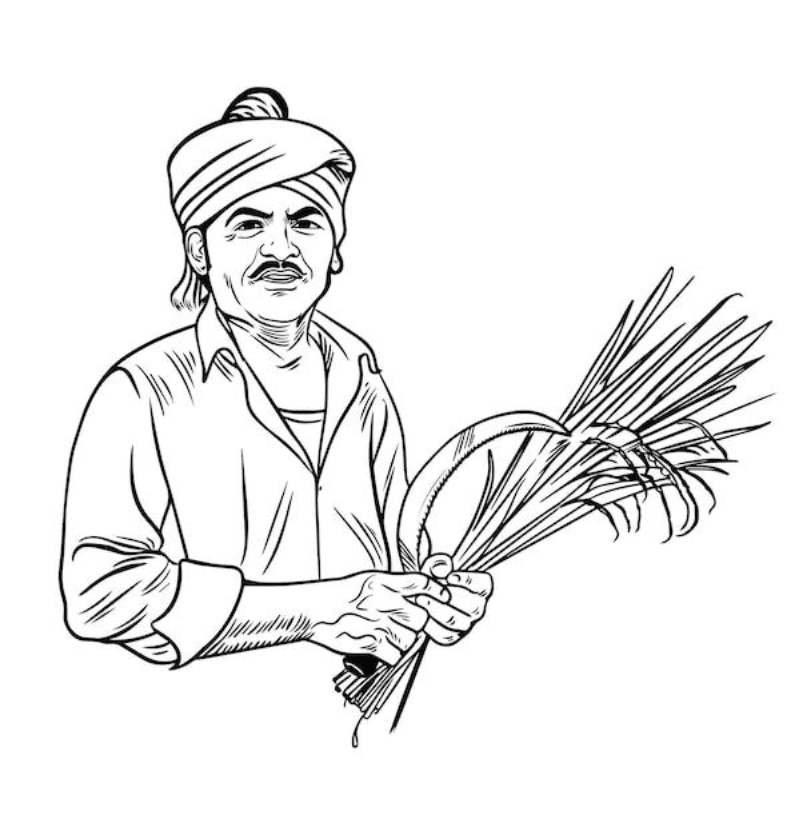
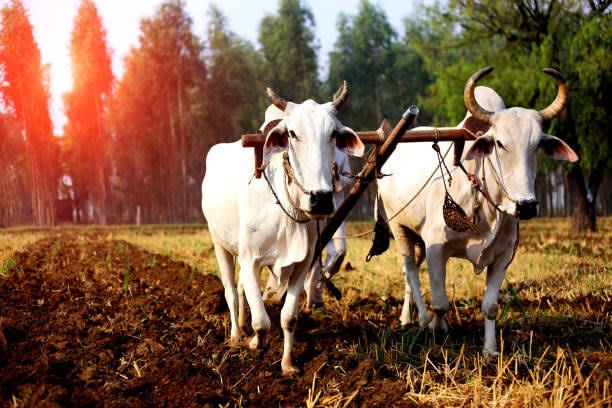
Ley us improve the future with natural farming .
It seems that farmers believe that by practicing natural farming, they should not only gain financially, but also serve environmental conservation goals such as preparing the land for subsequent crops, strengthening the soil, enhancing biodiversity, and conserving water.
This perspective is similar to the principles of modern natural agriculture, regenerative agriculture, and sustainable agricultural practices.
Some of the benefits of practicing natural farming :
- Soil Regeneration: Natural farming practices foster the growth of beneficial organisms and microorganisms in the soil. This enhances biodiversity and restores soil vitality, improving soil structure and increasing its capacity to retain water.
- Water Conservation : Practices such as natural farming, mulching, and drip irrigation promote water conservation by reducing waste and enhancing soil moisture retention. These methods support the sustainable use of water resources.
- Biodiversity : Techniques like mixed cropping, animal husbandry, and environmental conservation boost biodiversity by encouraging natural organisms to thrive in the soil. This, in turn, contributes to healthier crops and effective pest control.
- No Use of Chemicals : Natural farming avoids synthetic chemicals and pesticides, which helps to reduce pollution in soil, water, and air. As a result, this approach leads to healthy, chemical-free food production.
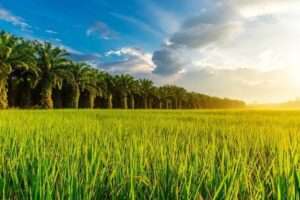
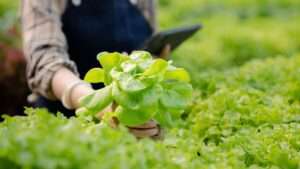
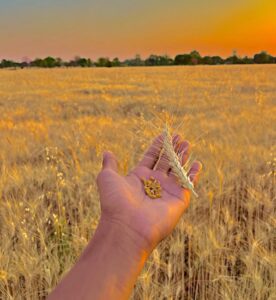
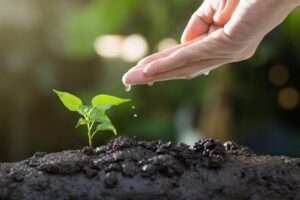
By following natural farming methods you can directly
- You play a key role in restoring soil fertility, promoting biodiversity, and conserving water.
- By producing healthy, nutrient-rich food, you directly enhance people’s health. Additionally, you help to create sustainable ecosystems.
- By combining ancient natural agricultural methods with modern technology, these practices lead to positive changes at the grassroots level.
- Chemical-based agriculture can counteract previous losses by revitalizing the land.
I believe that farmers around the world should practice natural farming, aiming to enhance the health and well-being of all living things.
Natural foods with the highest nutritional value:
Unprocessed, chemical-free foods are rich in essential nutrients such as protein, vitamins, minerals, fiber, and healthy fats that the body needs.
Nutrients in natural foods boost the body’s immune system and improve digestion.
The main nutrients present in natural foods are:
- Protein: Essential for building body cells and muscle development.
- Vitamins (A, C, E, B group): Key for boosting the body’s immune system, improving vision, and skin health.
- Minerals (calcium, iron, magnesium, phosphorus): Essential for bones, bleeding, and energy production.
- Fiber: Helps digestion, lowers cholesterol.
- Healthy fats: Mono and poly unsaturated fatty acids are good for heart health.
Benefits of natural foods:
- The absence of chemicals prevents harmful substances from entering the body.
- A healthy lifestyle is possible with a balance of nutrients
- Increased immunity, improved digestion
- Providing the body with all the nutrients it needs through a combination of different foods
Natural food nutritional value
According to a meta-analysis of 97% of studies, crops grown naturally contain 25% more nutrients than those grown with chemicals.
Specifically:
- 18-69% more antioxidants
- 52% more vitamin C
- 21% more iron
Health benefits:
People who followed a natural diet had 90% lower exposure to neurotoxic substances, which reduced their cancer risk by 25%. Additionally, neurodevelopmental problems in children were decreased by 40%.
Natural foods are free from chemicals and packed with nutrients, beneficial for the body’s health and immunity. Incorporating them into your daily diet is an essential part of a healthy lifestyle
Ashoka Natural Farming !
Ashoka Natural Farming is an agriculture method that emphasizes nature-friendly practices. Its primary goal is to cultivate crops without the use of chemical fertilizers and pesticides. This approach prioritizes soil conservation, regeneration, and environmental protection. Natural farming relies on harnessing the natural forces found in ecosystems, utilizing the interactions among sunlight, moisture, soil, plants, microorganisms, and other elements of nature to achieve successful crop production
Organic farming embodies a harmonious approach to nurturing our planet, offering a path that values nature's wisdom over synthetic solutions. By embracing this wholesome method, we not only protect our environment but also cultivate a brighter, healthier future for generations to come.
Ashoka's approach to natural farming is designed to promote the healthy and sustainable cultivation of crops through the conservation of soil and a synergistic relationship with nature, all while eschewing the use of chemical substances








Natural farming highlights !
Completely avoiding the use of chemical fertilizers and pesticides
Controlling weeds through natural methods, rather than through cultivation or chemicals.
Providing essential nutrients to crops through natural metabolic processes
Using natural stimulants instead of chemicals for crops.
Farming by observing and understanding nature.
Benefits of natural farming !
Cultivation costs for farmers will be reduced by up to 60-70%.
The soil becomes softer and the taste of the crops improves.
Yields will stay stable, but your income will soar!
It helps protect the environment and improves biodiversity.
farming can be done with less investment.
Ashoka Natural Products
Detailed Information.





ENTAMO PHATHAGENIC FUNGI
IN AGRICULTURAL SYSTEM, They do not cause any harm to friendly insects.
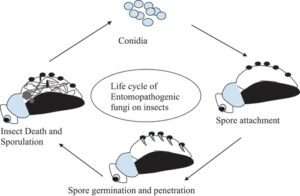
Entomopathogenic Fungi:
Biological Control Agents in Agriculture.
Introduction
Entomopathogenic fungi constitute a specialized group of fungal organisms that naturally target and eliminate insect pests. These biological control agents offer sustainable alternatives to conventional chemical pesticides in modern agricultural systems. This document examines their mechanisms, applications, and advantages in integrated pest management strategies.
Key Species and Mechanisms
The primary entomopathogenic fungi utilized in agricultural applications include:
- BEAUVERIA BASSIANA
- VERTICILLIUM LECANII
- METARHIZIUM ANISOPLIAE
- TRICHODERMA HARZIANUM
- BD 500 BIO DYANMIC LIQUID
- ISARIA FUMOSOROSEA
- BACILLUS THURINGIENSIS
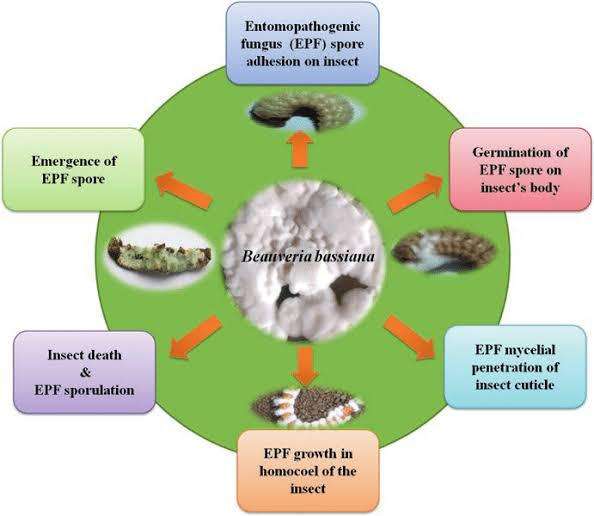
These fungi employ a sophisticated infection process that begins externally and proceeds through several distinct phases:
- Contact and Adhesion: Fungal spores make contact with and adhere to the insect’s cuticle.
- Germination and Penetration: The spores germinate on the insect surface and penetrate directly through the exoskeleton using enzymatic and mechanical processes.
- Internal Proliferation: Once inside the host, the fungi multiply throughout the insect body, producing insecticidal compounds while consuming available nutrients.
- Host Mortality: Death occurs within 3-10 days, depending on environmental conditions, fungal species, and host characteristics.
- Sporulation: Following host death, the fungi emerge through the cuticle and produce new spores on the insect cadaver, establishing infection reservoirs for ongoing pest suppression.
Pathology Timeline
The infection progression follows a predictable timeline:
- Within 24 hours: Initial infection leads to reduced insect activity and locomotion as the fungi begin to multiply internally, inducing a coma-like state.
- By 48 hours: Progressive physiological breakdown occurs, often accompanied by visible external changes including browning of the insect cuticle.
- By 72 hours: Complete system failure culminates in mortality, frequently involving rupture of the digestive tract as fungal proliferation reaches critical levels.
Agricultural Applications and Pest Range
Entomopathogenic fungi demonstrate effectiveness against numerous agricultural pests, including:
- Soil-dwelling insects (rootworms, grubs)
- Boring insects (stem borers, fruit borers)
- Sucking pests (aphids, whiteflies, mealybugs)
- Lepidopteran larvae (armyworms, hornworms, caterpillars)
- Social insects (termites, ants)
- Various beetles, thrips, and scale insects
Commercial formulations allow for application through conventional spraying equipment, facilitating integration with existing agricultural practices.
Advantages in Integrated Pest Management
Several characteristics make entomopathogenic fungi valuable components in sustainable pest management:
- Specificity: These fungi target particular pest groups while minimizing impacts on beneficial organisms, preserving ecological balance.
- Environmental Compatibility: As naturally occurring organisms, they integrate harmoniously into agricultural ecosystems.
- Resistance Management: Their complex infection mechanisms involving multiple modes of action reduce the likelihood of pest resistance development.
- Persistent Activity: Following establishment, particularly in soil environments, these fungi can multiply extensively, creating self-perpetuating control cycles that provide ongoing protection.
- Complementary Control: They function effectively alongside other management approaches in integrated pest management systems.
Research and Development Directions
Current research focuses on enhancing efficacy through:
- Strain Selection: Identifying and developing fungal strains with superior virulence, environmental tolerance, and host specificity.
- Formulation Improvement: Creating carrier systems that optimize spore viability, attachment to target insects, and resistance to environmental stressors.
- Application Optimization: Determining ideal timing and methods for application based on pest cycles and environmental conditions.
Conclusion
As agricultural practices continue to evolve toward more sustainable approaches, entomopathogenic fungi represent a sophisticated biological solution to pest management challenges. Their ability to provide targeted control while supporting broader ecosystem health positions them as increasingly valuable tools in modern agriculture. Through continued research and implementation, these biological control agents offer promising pathways for addressing pest resistance concerns while minimizing environmental impacts.
EPF's
Beauveria bassiana is a naturally occurring fungus that acts as a powerful biological control agent for agricultural pests such as weevils, beetles, and caterpillars. When applied to crops, its spores attach to insect bodies, germinate, and penetrate their cuticles, eventually killing the hosts through nutrient depletion and toxin release. Farmers increasingly adopt B. bassiana in sustainable and organic farming systems as an environmentally friendly alternative to chemical pesticides, particularly for high-value crops like fruits, vegetables, and ornamentals.
Beauveria bassiana, a remarkable organism that represents one of nature's most sophisticated biological control mechanisms. Let me take you deeper into understanding how this fungus works and why it's becoming increasingly important in sustainable agriculture.
The Biology of Beauveria bassiana
B. bassiana belongs to the entomopathogenic fungi—organisms specifically evolved to infect and kill insects. What makes this fungus particularly fascinating is its highly specialized infection process, which involves several distinct stages:
- Initial Contact: The fungal spores (conidia) first make contact with the insect's body surface. These microscopic spores are usually white to cream-colored and powdery in appearance.
- Attachment Phase: Once in contact, the spores adhere to the insect's cuticle (exoskeleton) through both physical and chemical mechanisms. Special proteins on the spore surface help them stick firmly to the waxy, hydrophobic insect cuticle—a surface that naturally repels water and would normally prevent many microorganisms from gaining a foothold.
- Germination: Under favorable conditions (proper temperature and humidity), the attached spores begin to germinate, producing specialized structures called germ tubes.
- Penetration: This is perhaps the most remarkable stage. The fungus secretes a complex cocktail of enzymes, including proteases, lipases, and chitinases, which gradually break down the insect's protective cuticle. The germ tube then forms an infection peg that physically forces its way through the weakened cuticle and into the insect's body cavity (hemocoel).
- Proliferation: Once inside, the fungus undergoes a dramatic transformation, converting from filamentous growth to a yeast-like form called blastospores. These can circulate throughout the insect's body through the hemolymph (insect blood).
- Colonization and Killing: The fungus rapidly multiplies inside the insect, consuming nutrients and simultaneously producing insecticidal compounds called beauvericins and bassianolides. These toxins disrupt the insect's cellular functions, immune system, and nervous system.
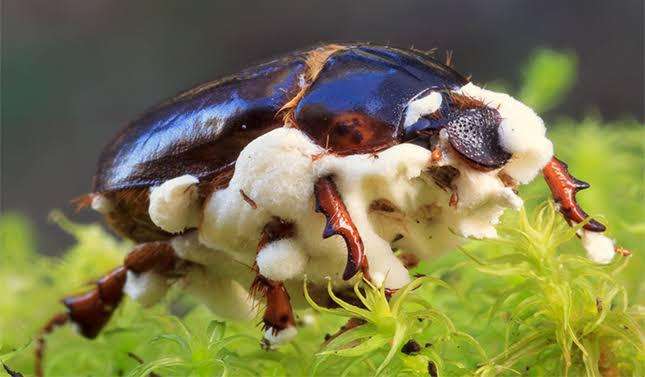
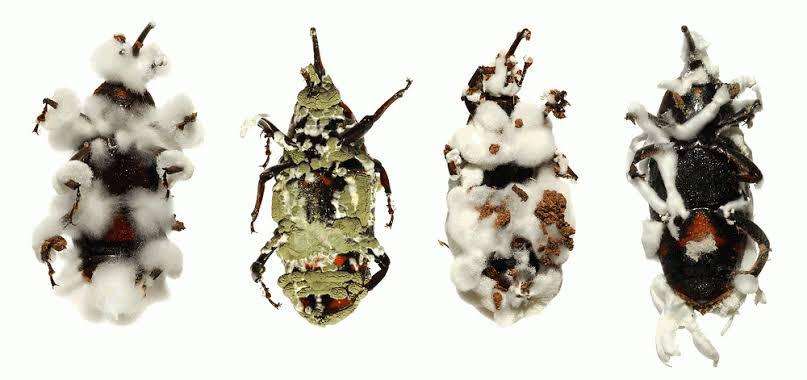
- Emergence and Sporulation: After the insect dies, if environmental conditions are sufficiently humid, the fungus reverts to its filamentous form, grows outward through the insect's body, and produces new spores on the exterior surface—creating the characteristic white "mold" appearance on dead insects. These new spores can then spread to infect other insects.
Ecological and Agricultural Significance
What makes B. bassiana particularly valuable in agriculture is its combination of effectiveness and specificity. Unlike broad-spectrum chemical pesticides that might kill beneficial insects along with pests, B. bassiana typically affects a narrower range of target insects. This selectivity comes from variations in cuticle composition, immune responses, and behavioral adaptations among different insect species.
The fungus is naturally present in soils worldwide, having co-evolved with insects for millions of years. This has led to a delicate balance: the fungus is persistent enough to control insect populations but not so virulent that it completely eliminates its hosts (which would ultimately be self-defeating for the fungus's survival).
Agricultural Applications
In agricultural settings, B. bassiana is typically applied in one of several formulations:
- Wettable powders
- Oil suspensions
- Granules
- Emulsifiable concentrates
These formulations are designed to maximize spore viability, attachment to insects, and resistance to environmental factors like UV radiation, which can degrade spores. The timing of application is crucial—ideal conditions include high humidity and moderate temperatures, which promote spore germination and fungal growth.
Benefits Over Chemical Pesticides
The advantages of B. bassiana extend beyond its environmental compatibility:
- Reduced Resistance Development: Insects develop resistance to chemical pesticides through relatively simple genetic mutations, but resistance to B. bassiana is much rarer because the fungus attacks through multiple mechanisms simultaneously.
- Persistence: Once established in an agricultural ecosystem, B. bassiana can persist for extended periods, providing ongoing pest control.
- Worker Safety: It poses minimal health risks to farm workers compared to many synthetic chemical alternatives.
- Residue-Free Products: Harvested crops don't contain chemical residues, which is increasingly important to consumers.
As our understanding of microbial ecology deepens and concerns about chemical pesticide use grow, B. bassiana represents a promising component of integrated pest management strategies—bridging the gap between traditional agricultural practices and modern ecological knowledge.
Verticillium lecanii: A Significant Entomopathogenic Fungus in Agriculture
Introduction to Verticillium lecanii
Verticillium lecanii (now reclassified as Lecanicillium lecanii in current taxonomy) represents one of the most important entomopathogenic fungi used in biological pest control. This naturally occurring fungus has evolved specialized mechanisms to infect and kill specific insect pests, making it a valuable tool in sustainable agricultural practices.
The taxonomic reclassification reflects our evolving understanding of fungal relationships. Scientists moved this species from the genus Verticillium to Lecanicillium based on molecular evidence showing it was genetically distinct from plant-pathogenic Verticillium species. Despite this scientific update, many agricultural products and literature still refer to it by its former name, Verticillium lecanii.
Mechanism of Action
Verticillium lecanii operates through a sophisticated infection process that demonstrates the remarkable adaptation of entomopathogenic fungi:
- Contact and Adhesion: The process begins when fungal spores land on the insect's cuticle (outer covering). Special adhesive compounds on the spore surface help it attach firmly to the host.
- Germination: Under favorable conditions (high humidity and appropriate temperature), these spores germinate, producing germ tubes that extend across the insect's surface.
- Penetration: Unlike many pathogens that must enter through natural openings, V. lecanii directly penetrates the insect's exoskeleton. This penetration involves both mechanical pressure and enzymatic degradation of the cuticle—specifically through chitinases, proteases, and lipases that break down structural components.
- Internal Colonization: Once inside, the fungus transitions to a yeast-like growth phase, producing single-celled blastospores that circulate in the insect's hemolymph (blood). These blastospores rapidly multiply, consuming nutrients and oxygen.
- Toxin Production: During colonization, V. lecanii produces insecticidal metabolites and toxins that accelerate host death. These include cyclic peptides and other compounds that disrupt the insect's immune system and cellular functions.
- Complete Invasion: The fungus eventually invades all major tissues and organs, causing comprehensive system failure.
- Sporulation: After the insect dies, if environmental conditions are favorable (particularly high humidity), the fungus grows outward through the insect's body wall and produces new conidiophores bearing infective spores, creating a characteristic white to cream-colored fungal growth on the insect cadaver.
This entire process typically takes 3-10 days, depending on environmental conditions, insect species, and the specific strain of V. lecanii.
Target Pest Range
Verticillium lecanii stands out for its efficiency against soft-bodied, sap-sucking insects. Its primary targets include:
- Aphids: Multiple species including green peach aphid, cotton aphid, and potato aphid
- Whiteflies: Particularly greenhouse whitefly (Trialeurodes vaporariorum) and silverleaf whitefly (Bemisia tabaci)
- Scale Insects: Both soft and armored scales across various crops
- Thrips: Including western flower thrips and onion thrips
- Mealybugs: Various species affecting greenhouse and field crops
- Spider Mites: Two-spotted spider mite and other tetranychid mites, though efficacy varies by strain
This targeted pest range makes V. lecanii particularly valuable in greenhouse environments and high-value horticultural crops where these pests frequently cause significant damage. Its specificity also means it has minimal impact on beneficial insects like predatory mites, parasitoid wasps, and pollinators.
Agricultural Applications
Verticillium lecanii has found several practical applications in modern agricultural systems:
Greenhouse Production
In controlled greenhouse environments, V. lecanii thrives due to the consistent high humidity and moderate temperatures. It's widely used in vegetable production (particularly tomatoes, cucumbers, and peppers) and ornamental crops where chemical residues are a concern.
Organic Agriculture
As a naturally occurring organism, V. lecanii formulations are approved for organic production under most certification standards. This makes it an essential tool for organic farmers seeking effective pest management solutions.
Tropical and Subtropical Field Crops
In regions with naturally high humidity, V. lecanii can be effective in field applications for crops like coffee, citrus, and cacao, where it helps manage scale insects and mealybugs.
Integrated Pest Management Programs
V. lecanii works most effectively as part of a comprehensive IPM approach, where it complements other biological control agents and selective chemical interventions when necessary.
Commercial Formulations
Several commercial products containing V. lecanii are available globally, formulated in various ways:
- Wettable Powders: Containing spores mixed with carriers and adjuvants for spray application
- Oil Dispersions: Spores suspended in oil formulations that help overcome humidity requirements
- Granular Products: Primarily for soil application in nursery settings
Commercial products often contain specific strains selected for virulence against particular pest groups or for environmental adaptability. Some well-known commercial formulations include Mycotal, Vertalec, and various regional products marketed under different trade names.
Environmental Requirements for Efficacy
The effectiveness of V. lecanii is significantly influenced by environmental conditions:
- Humidity: Requires high relative humidity (>80%) for spore germination and infection, making it particularly effective in greenhouses or during humid periods
- Temperature: Optimal activity occurs between 15-28°C (59-82°F), with reduced efficacy at temperature extremes
- UV Exposure: Spores are sensitive to UV radiation, necessitating application during evening hours or under cloud cover for field use
- Water Quality: The pH and mineral content of spray water can affect spore viability, with neutral pH (6.5-7.5) generally optimal
Understanding these requirements is crucial for successful implementation and explains why this fungus is more consistently effective in controlled environments than in open fields.
Advantages in Sustainable Agriculture
Verticillium lecanii offers several significant benefits that make it valuable in sustainable farming systems:
- No Toxic Residues: Unlike many chemical pesticides, V. lecanii leaves no harmful residues on harvested crops
- Worker Safety: Presents minimal risk to farm workers during and after application
- Resistance Management: Its complex mode of action involving multiple mechanisms makes resistance development by target pests extremely unlikely
- Ecosystem Compatibility: Minimal non-target effects preserve beneficial organisms and ecological balance
- Reduced Environmental Impact: As a naturally occurring soil organism, it poses little risk to watersheds or non-agricultural ecosystems
These advantages make V. lecanii particularly valuable as agriculture continues to move toward more environmentally conscious practices.
Limitations and Challenges
Despite its benefits, several factors limit the widespread adoption of V. lecanii:
- Environment Dependence: The need for high humidity restricts efficacy in many field situations
- Slow Action: Compared to chemical insecticides, V. lecanii works relatively slowly, taking days rather than hours to kill target pests
- Limited Shelf Life: Commercial formulations typically have shorter shelf lives than synthetic alternatives
- Application Timing: Requires more precise application timing relative to pest populations and environmental conditions
- Cost Considerations: Production costs often make V. lecanii products more expensive than conventional insecticides, though this gap is narrowing
Ongoing research aims to address these limitations through improved formulations, enhanced production techniques, and selection of more robust strains.
Integration with Other Control Methods
Verticillium lecanii works most effectively when integrated with complementary approaches:
- Compatible with many Predatory Insects: Can be used alongside ladybugs, lacewings, and predatory mites
- Synergistic with Some Botanical Insecticides: Neem-based products and certain essential oils may enhance efficacy
- Sequential Application with Selective Chemicals: Can follow selective chemical interventions in rotation strategies
- Habitat Management: Benefits from practices that increase humidity in the crop canopy
Careful planning of application sequences maximizes the effectiveness of V. lecanii while maintaining the benefits of a diverse pest management approach.
Current Research and Future Directions
Research on V. lecanii continues to expand its potential applications:
- Strain Selection: Identifying strains with greater environmental tolerance, particularly regarding humidity requirements and temperature range
- Formulation Advances: Developing carriers and adjuvants that protect spores from UV damage and desiccation
- Application Technology: Creating more efficient delivery systems that target pest habitats while minimizing product waste
- Genetic Understanding: Elucidating the genetic basis for virulence to enhance strain selection and potentially develop more effective variants
As our understanding of this fungus grows, so does its potential role in sustainable agriculture.
Conclusion
Verticillium lecanii represents a sophisticated biological tool for pest management that aligns perfectly with the growing demand for sustainable agricultural practices. Its specialized mechanisms for targeting problematic pests while minimizing environmental impacts make it increasingly valuable as agriculture evolves toward ecological balance and reduced chemical dependence.
While challenges remain in optimizing its application across diverse agricultural settings, ongoing research and development continue to enhance its practical utility. As farmers, researchers, and agricultural industries gain experience with this remarkable fungus, its role in integrated pest management systems will likely continue to expand, contributing to more sustainable and resilient food production systems worldwide.
Metarhizium anisopliae: A Natural Ally in Sustainable Agriculture
Metarhizium anisopliae is an entomopathogenic fungus renowned for its role in biological pest control. Widely utilized in agriculture, it offers an eco-friendly alternative to chemical pesticides, contributing to sustainable farming practices.
🌿 What Is Metarhizium anisopliae?
Metarhizium anisopliae is a naturally occurring soil fungus that infects and kills a broad spectrum of insect pests. It produces conidia (spores) that attach to the exoskeletons of insects, germinate, and penetrate the body, eventually leading to the insect's death. This process not only controls pest populations but also reduces the environmental impact associated with synthetic pesticides.Novobac
🌱 Agricultural Applications
Pest Control: Effective against various pests, including termites, weevils, beetles, and caterpillars. For instance, studies have shown that M. anisopliae can significantly reduce termite populations in crops like tea .NovobacSpringerOpen
Crop Protection: In crops such as rice, M. anisopliae has demonstrated efficacy in controlling planthopper populations, with control efficiency exceeding 60% seven days post-application .Microbes Publisher
Integrated Pest Management (IPM): As part of IPM strategies, M. anisopliae is used in combination with other biological agents to enhance pest control efficacy and promote plant health .Husfarm Agriculture platform+1Cornell AgriTech+1
🌾 Benefits of Using Metarhizium anisopliae
Eco-Friendly: Reduces the need for chemical pesticides, minimizing environmental pollution and promoting biodiversity.
Sustainable Farming: Supports organic farming practices and helps meet the growing consumer demand for sustainably produced food.Husfarm Agriculture platform
Economic Advantages: By decreasing crop losses to pests and reducing pesticide costs, farmers can achieve higher yields and lower production expenses.Husfarm Agriculture platform
Plant Growth Promotion: Certain strains of M. anisopliae have been shown to enhance plant growth by increasing chlorophyll content and root development .PubMed
⚠️ Considerations for Use
Environmental Factors: Effectiveness can be influenced by temperature, humidity, and UV exposure, which may affect spore viability.Husfarm Agriculture platform
Production Challenges: Mass production for commercial use can face obstacles such as contamination and substrate suitability .Microbes Publisher
Regulatory Processes: Development and registration of biopesticides like M. anisopliae can be time-consuming and costly, potentially delaying market availability.Husfarm Agriculture platform
🌍 Global Adoption
Brazil has been a pioneer in utilizing M. anisopliae for pest control, particularly in sugarcane farming. The country has over 90 registered products based on M. anisopliae, making it one of the most successful biological control programs globally .SciELO+1Frontiers+1Frontiers
✅ Conclusion
Metarhizium anisopliae stands out as a versatile and sustainable solution in modern agriculture. Its dual role in pest control and plant growth promotion makes it a valuable tool for farmers aiming to enhance productivity while minimizing environmental impact. As research and development continue, the adoption of M. anisopliae is expected to expand, further integrating biological control into sustainable agricultural practices.
Trichoderma harzianum is a beneficial fungus widely used in agriculture as a biocontrol agent that combats soil-borne plant pathogens through competition, antibiosis, and mycoparasitism. Beyond pest control, it promotes plant growth by enhancing root development, increasing nutrient uptake, and improving overall plant vigor and stress resistance. Farmers apply T. harzianum as seed treatments, soil amendments, or foliar sprays to boost crop yields sustainably while reducing dependence on chemical fungicides in various agricultural systems.
BD 500 made from fermented cow manure buried in cow horns during winter, serves as a foundational soil amendment in biodynamic farming systems to enhance soil structure and microbial activity. When applied as a highly diluted spray, it stimulates root development, improves nutrient cycling, and strengthens plants' natural defense mechanisms. BD 500 is considered essential in biodynamic agriculture for establishing vital connections between soil, plants, and cosmic influences, ultimately contributing to enhanced farm organism health and crop vitality.
Isaria fumosorosea (formerly Paecilomyces fumosoroseus) is an entomopathogenic fungus widely utilized in agriculture as a biological control agent against various insect pests including whiteflies, aphids, thrips, and certain beetle species. Upon contact, its spores germinate on insect bodies, penetrate the cuticle, and proliferate inside the host, causing death through tissue destruction and toxin production. As an environmentally friendly alternative to chemical pesticides, I. fumosorosea is particularly valuable in greenhouse production systems, organic farming, and integrated pest management programs for vegetables, fruits, and ornamental crops.
Bacillus thuringiensis (Bt) is a naturally occurring soil bacterium widely used in agriculture for its powerful insecticidal properties against specific pest groups while being safe for beneficial insects and vertebrates. When ingested by target insects, Bt produces crystal proteins that bind to receptors in the gut, causing paralysis and eventual death of lepidopteran larvae, beetle larvae, and mosquito larvae depending on the specific Bt strain. As a cornerstone of organic farming and integrated pest management, Bt formulations can be applied as sprays, incorporated into soil, or engineered into transgenic crops, offering environmentally sustainable protection for a wide range of agricultural crops.
EPF's
ENTAMO PHATHAGENIC FUNGI IN AGRICULTURAL SYSTEMS.
They do not cause any harm to friendly insects.
Entomopathogenic fungi represent a diverse group of fungal organisms that naturally infect and kill insect pests, offering sustainable alternatives to chemical pesticides in modern agriculture. These specialized fungi, including Beauveria bassiana, Metarhizium anisopliae, Verticillium lecanii, and Isaria fumosorosea, operate through a remarkable infection process that begins when spores contact an insect's cuticle, germinate, and penetrate directly through the exoskeleton.
Once inside the host, these fungi proliferate throughout the insect body, producing insecticidal compounds and depleting the host's nutrients, ultimately leading to death within 3-10 days depending on environmental conditions and host species. After killing their hosts, many entomopathogenic fungi emerge through the cuticle and produce new spores on the insect cadaver, creating natural reservoirs for continued pest suppression in agricultural ecosystems.
The specificity of these fungi allows for targeted pest management with minimal impact on beneficial insects, making them valuable components in integrated pest management strategies across various cropping systems. Commercial formulations of entomopathogenic fungi are available. These can be applied using conventional spraying equipment, offering flexibility to farmers implementing biological control methods.
Research continues to enhance the efficacy of these biological control agents through strain selection, formulation improvements, and application timing optimization to maximize their performance under field conditions. As concerns about pesticide resistance and environmental impact grow, entomopathogenic fungi increasingly serve as sustainable tools for managing challenging agricultural pests while supporting agroecosystem health and biodiversity.
Microbial insecticides are effective in controlling rootworms, stem borers, tuber borers, root grubs, instar larvae, eggs, black locust, whitefly, green gnat, aphids, mealybug, red scutellum, mealybug, termites, spotted ants, armyworm, rogos whitefly, sieve ants, hornworm, scale insects, fungal pests, black and white shield, threadworms, beetles, black flies, thrips, corn earworm, tobacco bedworm, ballworm, caterpillar, snails, leaf spot, stem, leaf, and fruit borer and all other types of insect pests. Only 7 types of insecticides are effective in controlling and killing all types of insect pests. Microorganisms are only present for insecticidal purposes.
these microorganisms grow into millions and trillions from their stomachs and spread throughout the soil, effectively preventing enemy insects.
Microbial insecticides, when applied it penetrate the skin of the insect, multiply in its stomach, and cause the insect to go into a coma within 24 hours. Within 48 hours, the insect's skin turns brown, and within 72 hours, the insect's stomach ruptures, and it dies.
these microorganisms grow into millions and trillions from their stomachs and spread throughout the soil, effectively preventing enemy insects.
Beauveria bassiana is a naturally occurring fungus that acts as a powerful biological control agent for agricultural pests such as weevils, beetles, and caterpillars. When applied to crops, its spores attach to insect bodies, germinate, and penetrate their cuticles, eventually killing the hosts through nutrient depletion and toxin release. Farmers increasingly adopt B. bassiana in sustainable and organic farming systems as an environmentally friendly alternative to chemical pesticides, particularly for high-value crops like fruits, vegetables, and ornamentals.
Verticillium lachania is a beneficial entomopathogenic fungus widely used as a biological control agent in agriculture. It effectively targets and controls numerous agricultural pests including aphids, whiteflies, thrips, and scale insects by penetrating their bodies and causing death. As an environmentally friendly alternative to chemical pesticides, V. L is especially valuable in integrated pest management systems for Natural & organic farming operations.
Metarhizium anisopliae is a soil-dwelling entomopathogenic fungus widely utilized in agricultural systems to control a broad spectrum of insect pests including beetles, termites, and various crop-damaging larvae. When applied, its spores adhere to insect cuticles, germinate, and penetrate the host's body, causing death through physical damage, nutrient depletion, and toxin production. As a versatile biopesticide, M. anisopliae offers environmentally sustainable pest control with minimal impact on beneficial organisms, making it particularly valuable in organic farming and integrated pest management programs.
Trichoderma harzianum is a beneficial fungus widely used in agriculture as a biocontrol agent that combats soil-borne plant pathogens through competition, antibiosis, and mycoparasitism. Beyond pest control, it promotes plant growth by enhancing root development, increasing nutrient uptake, and improving overall plant vigor and stress resistance. Farmers apply T. harzianum as seed treatments, soil amendments, or foliar sprays to boost crop yields sustainably while reducing dependence on chemical fungicides in various agricultural systems.
BD 500 made from fermented cow manure buried in cow horns during winter, serves as a foundational soil amendment in biodynamic farming systems to enhance soil structure and microbial activity. When applied as a highly diluted spray, it stimulates root development, improves nutrient cycling, and strengthens plants' natural defense mechanisms. BD 500 is considered essential in biodynamic agriculture for establishing vital connections between soil, plants, and cosmic influences, ultimately contributing to enhanced farm organism health and crop vitality.
Isaria fumosorosea (formerly Paecilomyces fumosoroseus) is an entomopathogenic fungus widely utilized in agriculture as a biological control agent against various insect pests including whiteflies, aphids, thrips, and certain beetle species. Upon contact, its spores germinate on insect bodies, penetrate the cuticle, and proliferate inside the host, causing death through tissue destruction and toxin production. As an environmentally friendly alternative to chemical pesticides, I. fumosorosea is particularly valuable in greenhouse production systems, organic farming, and integrated pest management programs for vegetables, fruits, and ornamental crops.
Bacillus thuringiensis (Bt) is a naturally occurring soil bacterium widely used in agriculture for its powerful insecticidal properties against specific pest groups while being safe for beneficial insects and vertebrates. When ingested by target insects, Bt produces crystal proteins that bind to receptors in the gut, causing paralysis and eventual death of lepidopteran larvae, beetle larvae, and mosquito larvae depending on the specific Bt strain. As a cornerstone of organic farming and integrated pest management, Bt formulations can be applied as sprays, incorporated into soil, or engineered into transgenic crops, offering environmentally sustainable protection for a wide range of agricultural crops.
EPB's
ENTAMO PHATHAGENIC BACTERIAE
Entamopathogenic Bacteria in Agriculture
Entamopathogenic bacteria, which interact with and often infect amoebae, have several important applications and implications in agricultural systems. While less discussed than their medical significance, these bacterial-protozoan relationships play crucial roles in soil health, pest management, and crop protection.
Soil Ecology and Nutrient Cycling
In agricultural soils, entamopathogenic bacteria influence several key processes:
- Microbial Balance: They help regulate populations of free-living amoebae that graze on beneficial soil bacteria
- Nutrient Release: When bacteria infect and lyse amoebae, they release sequestered nutrients back into the soil
- Organic Matter Decomposition: The bacterial-amoebic interactions accelerate organic matter turnover, improving soil fertility
Water Management Applications
Agricultural water systems benefit from understanding these relationships:
- Irrigation Systems: Entamopathogenic bacteria can colonize biofilms in irrigation equipment, affecting water quality
- Water Treatment: Knowledge of these interactions helps develop better biological water treatment for agricultural use
- Runoff Management: These bacteria influence nutrient cycling in agricultural runoff and drainage systems
Pest Management Potential
Some entamopathogenic bacteria show promise in agricultural pest control:
- Soil-Borne Pathogens: Certain bacteria that can infect amoebae also demonstrate activity against agricultural pathogens
- Biocontrol Agents: Modified strains have potential as targeted biocontrol tools against specific agricultural pests
- Rhizosphere Protection: Some strains may protect plant root zones from pathogenic protozoa
Crop Protection Applications
Emerging research suggests several crop protection benefits:
- Induced Resistance: Some entamopathogenic bacteria trigger plant defense mechanisms when present in the rhizosphere
- Pathogen Suppression: They may outcompete crop pathogens in specific agricultural niches
- Biofertilizer Components: Certain strains enhance nutrient availability when incorporated into biofertilizer formulations
Challenges and Research Directions
Current agricultural research on entamopathogenic bacteria faces several challenges:
- Developing stable formulations for field application
- Understanding their behavior in diverse soil types and climatic conditions
- Integrating them into sustainable agricultural practices
- Assessing potential ecological impacts of their deployment
As sustainable agriculture continues to seek biological solutions to chemical inputs, entamopathogenic bacteria represent an emerging area of research with potential applications in improving soil health, managing agricultural water systems, and developing new biocontrol strategies.
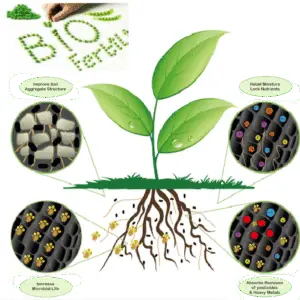
ఈ సూక్ష్మజీవి ఫంగల్ ఇన్ఫెక్షన్ల నుండి విత్తనాలు మరియు మూలాలను రక్షించడం ద్వారా మొక్కల వ్యాధులను అణిచివేస్తుంది. ఇది గ్రోత్ కంట్రోల్ మరియు రెగ్యులేటింగ్ మైక్రోబ్.
ఏకదళబీజాలమొక్కల పై బోడుప్పల్ ఏర్పర్చుకుని నివాసముంటుంది. మొక్కలకు నత్రజని చాలా ముఖ్యమైన పోషకం మరియు మొత్తం వాతావరణంలో 70% నత్రజనిని కలిగి ఉంటుంది. గాలి నుండి నత్రజనిని గ్రహించి సేంద్రియ ఆమ్లాలు మరియు ఎంజైముల ద్వారా
నత్రజని స్థిరీకరణ చేస్తాయి మళ్లీ వేళ్ల ద్వారా మొక్కలకు కావలసినంత నత్రజనిని సరి అయిన పరిమాణంలో అందిస్తాయి.
ఈ సూక్ష్మజీవులు సేంద్రీయ ఆమ్లాలు మరియు ఎంజైమ్ల ద్వారా మట్టి నుండి కరగని నైట్రోజన్ పొలాన్ని వ్యక్తిగతంగా మార్చడానికి సహాయపడతాయి. ఇది మొక్కలకు అందుబాటులో ఉన్న నత్రజనిని పెంచుతుంది.
ఈ సూక్ష్మజీవులు ద్విదళ బీజాలు మొక్కల వేర్లపై బొడిపెలను ఏర్పరుచుకుని అందులో నివాసముంటూ వాతావరణము/ గాలిలోని నత్రజనిని గ్రహించి సేంద్రియ ఆమ్లాలు మరియు ఎంజైములను ఉత్పత్తి చేయడం ద్వారా కరగని నత్రజని మూలకాలను కరిగే రూపంలోకి మార్చి మొక్కలకు సరిపోవు నంత నత్రజని స్థూల పోషకాలను సేంద్రియ రూపంలోకి మార్చి కావలసినంత నత్రజని మొక్కలకు అందిచడములో సహాయపడతాయి. మొక్కలకు అందుబాటులో ఉన్న నత్రజనిని పెంచుతుంది.
సేంద్రీయ ఆమ్లాలు మరియు ఎంజైమ్లను ఉత్పత్తి చేయడం ద్వారా కరగని ఫాస్ఫేట్ రూపాన్ని కరిగే రూపంలోకి మార్చడానికి ఈ సూక్ష్మజీవి సహాయపడుతుంది. ఇది మొక్కలకు అందుబాటులో ఉండే ఫాస్పరస్ను పెంచుతుంది. సేంద్రియ ఆమ్లాలు మరియు ఎంజైములను ఉత్పత్తి చేయడం ద్వారా కరగని నత్రజని మూలకాలను కరిగే రూపంలోకి మార్చి మొక్కలకు సరిపోవు నంత నత్రజని స్థూల పోషకాలను సేంద్రియ రూపంలోకి మార్చి కావలసినంత నత్రజని మొక్కలకు అందిచడములో సహాయపడతాయి. మొక్కలకు అందుబాటులో ఉన్న నత్రజనిని పెంచుతుంది.
సేంద్రీయ ఆమ్లాలు మరియు ఎంజైమ్లను ఉత్పత్తి చేయడం ద్వారా జింక్ యొక్క కరగని రూపాన్ని కరిగే రూపంలోకి మార్చడానికి ఈ సూక్ష్మజీవి సహాయపడుతుంది. ఇది మొక్కలకు అందుబాటులో ఉండే జింక్ను పెంచుతుంది. సహాయపడుతుంది. ఇది మొక్కలకు అందుబాటులో ఉండే ఫాస్పరస్ను పెంచుతుంది. సేంద్రియ ఆమ్లాలు మరియు ఎంజైములను ఉత్పత్తి చేయడం ద్వారా కరగని నత్రజని మూలకాలను కరిగే రూపంలోకి మార్చి మొక్కలకు సరిపోవు నంత నత్రజని స్థూల పోషకాలను సేంద్రియ రూపంలోకి మార్చి కావలసినంత నత్రజని మొక్కలకు అందిచడములో సహాయపడతాయి. మొక్కలకు అందుబాటులో ఉన్న నత్రజనిని పెంచుతుంది.
ఈ సూక్ష్మజీవులు సమతుల్యమైన అనుపాతములో సేంద్రీయ ఆమ్లాలు మరియు ఎంజైమ్లను ఉత్పత్తి చేయడం ద్వారా కరగని ఖనిజ రూపంలో నేలలో ఉన్న స్థూల పోషకాలను సేంద్రియ రూపంలోకి ఆమ్లాలు మరియు ఎంజైములను ఉత్పత్తి చేయడం ద్వారా కరిగే రూపములో కి మార్చి స్తూల పోషకాలను సరి అయిన పాళ్ళలో మొక్కలకు కావలసినంత అందిస్తాయి . ఇది మొక్కలకు అందుబాటులో ఉన్న మెగా న్యూట్రియాన్లను కావల్సిన పరిమాణంలో పెంచుతుంది.
ఈ సూక్ష్మజీవులు సేంద్రీయ ఆమ్లాలు మరియు ఎంజైమ్లను ఉత్పత్తి చేయడం ద్వారా సల్ఫర్ యొక్క కరగని రూపాన్ని సాల్వబుల్ రూపంలోకి మార్చడానికి సహాయపడతాయి. ఇది మొక్కలకు అందుబాటులో ఉన్న సల్ఫర్ను పెంచుతుంది
ఈ సూక్ష్మజీవి సేంద్రీయ ఆమ్లాలు మరియు ఎంజైమ్లను ఉత్పత్తి చేయడం ద్వారా కరగని పొటాష్ రూపాన్ని కరిగే రూపంలోకి మార్చడానికి సహాయపడుతుంది. ఇది సేంద్రీయ ఆమ్లాల ద్వారా మొక్కలకు అందుబాటులో ఉన్న పొటాష్ను పెంచుతుంది.
ఈ సూక్ష్మజీవి సేంద్రీయ ఆమ్లాలు మరియు ఎంజైమ్లను ఉత్పత్తి చేయడం ద్వారా కరగని ఫాస్ఫరస్ రూపాన్ని కరిగే రూపంలోకి మార్చడానికి సహాయపడుతుంది. ఇది సేంద్రీయ ఆమ్లాల ద్వారా మొక్కలకు ఫాస్ఫరస్ లభ్యతను పెంచుతుంది.
ఈ సూక్ష్మజీవి సేంద్రీయ ఆమ్లాలు మరియు ఎంజైమ్లను ఉత్పత్తి చేయడం ద్వారా ఇనుము యొక్క కరగని రూపాన్ని సేంద్రియ ద్రావణీయ రూపంలోకి మార్చడానికి సహాయపడుతుంది. ఇది మొక్కలకు అందుబాటులో ఉండే ఐరన్ను పెంచుతుంది.
ఈ సూక్ష్మజీవి సేంద్రీయ ఆమ్లాలు మరియు ఎంజైమ్లను ఉత్పత్తి చేయడం ద్వారా నేలలో ఉన్న కరగని ఫాసిల్ సిలికాన్ రసాయన రూపాన్ని సేంద్రియ రూపానికి మార్చడానికి సహాయపడుతుంది. ఇది మొక్కలకు అందుబాటులో ఉండే సిలికాన్ను పెంచుతుంది.
బోరాన్, మెగ్నీషియం, క్యాల్షియం,కాపర్, మాంగనీస్, మాలిబ్దినమ్ మొదలగునవి రసాయన రూపంలో నేలలో ఉన్న ఖనిజాలను సేంద్రియ రూపంలోకి మార్చి మొక్కలకు తగిన మోతాదులో అందిస్తాయి .
మొక్కల యొక్క సమగ్ర పెరుగుదల నియంత్రణలో తోడ్పడుతుంది.
మొక్క పెరుగుదలలో కణ విభజనకు , కొమ్మల పెరుగుదల, పూత బాగా రావడానికి, గింజెల /విత్తనాలు సమర్థవంతంగా పెరుగుటకు తాలు గింజలు లేకుండా పంట దిగుబడి కి సహాయపడుతుంది .
ఆక్సింలు, జి బ్బోరెలింలు, cytokinin,ABA లు సహాయపడుతూ ఉంటాయి
సముద్ర నాచు ద్రావణం, మొక్కల ఆరోగ్యకరమైన పెరుగుదలకు ఎన్నో సహజ పోషకాలు అందిచే, గ్రోత్ ప్రమోటర్.
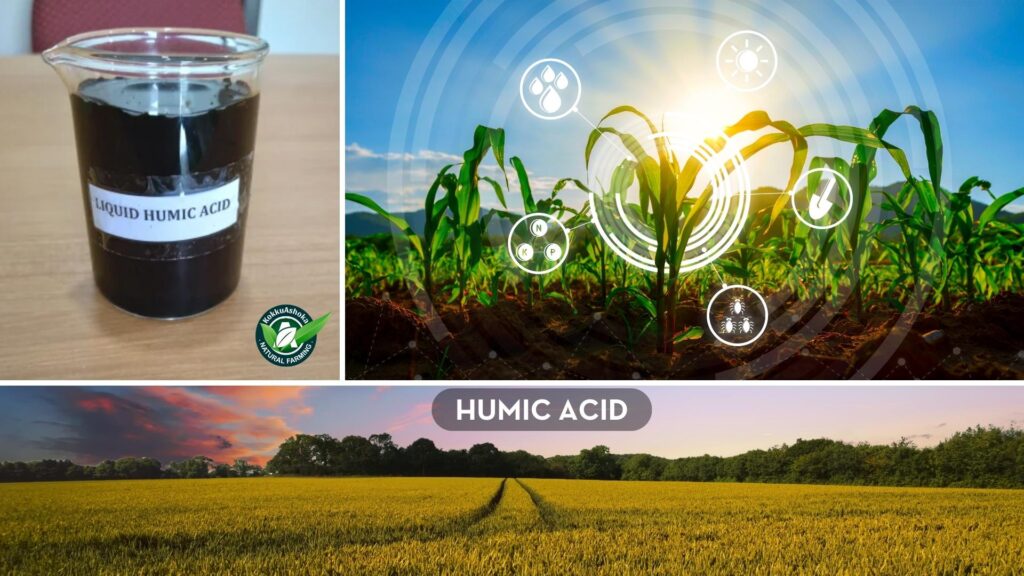
Humic Acid
Humic Acid
Write About it
🦋🌱💥💯 నేల కర్బన శాతము పెంచుటకు 🌱" *డాక్టర్ సాయిల్" అదే ఆర్గానిక్ DAP... *VAM. మైకో రైజా తయారీ:-
@మొదట మనకు చౌకగా లభించే పేడ సేకరించాలి. జెర్సీ ఆవు/గేదె/కోళ్లు/గొర్రె,మేక/ఏ జంతువుల పేడ ఐనా సరే.దేశీ ఆవు పేడ కనీసం ఒక క్విన్టాల్ లేక వేరేమి కంపోస్ట్ పై పొరగా వేసుకోవాలి. వీడియోలో చూపిన విధముగా అడుగు బాగాన పంటల వ్యర్తాలు దాని పైన కొల్లపెంట,గొర్రె పెంట ,పశువుల పెంట పై బాగానే ఒక రెండు అంగులాల దేశ ఆవు లేక వర్మికపోస్టు దానిపై రెండు అంగులాల మంచి మట్టి వేసుకుని బెడ్ లాసర్దుకోవాలి. ఏ పేడ అయినాసరే ఒకే రకమైన సరే ఏది అది కాదు.
సాద్యమైనంత WDC పట్టించాలి ..(మనకు సులభముగా లభించిన పేడ మాత్రం మే సేకరించు కోవాలి,అన్నిరకాల పేడ తప్పనిసరి కాదు)కుప్ప పై న నీళ్లు బాగా పట్టిస్తే వ్యర్థాలు కుళ్లి మక్కిన పేడగా మారుతుంది/దానినే FYM అంటారు.
దానిపైన సాధ్యమైనన్ని నాలుగు రకాల విత్తనాలు(ఏకదల,ద్విదల, సుగంధ,నూనె గింజెలు) మైకొరైజా VAM కలిపి విత్తన శుద్ధి చేసి నాటుకోవాలి.
వాటి వెంట పశువుల పేడలో ఉండే కలుపు మొక్కలు కూడా మొలకెత్తనివాలి.కలుపు మొక్కలికి పూత రాగానే, విత్తనాలు తయారు కాముందే పై భాగాలు కోసి కలుపు మొక్కల వేర్లు దంచి పొడిగా చేసుకుని కుప్పపైనే వేసుకోవాలి.
తరచుగా బెడ్ పైన epfs, epbs, నూనెల పిప్పి/సేడిమెంట్,etc ఆర్గానిక్ కాషాయలు,చోహాన్ క్యూ ద్రావకాలు,చారుకోల్ etc వేసుకోవచ్చు,
పైవి అవి కూడా తప్పనిసరి కాదు మన దగ్గర ఉన్నవి, ఖర్చులేకుండా మనం తయారు చేసుకోగలిగినవి మాత్రమే ఉపయోగించాలి .
🌱🦋🐞 డాక్టర్ సాయిల్ బెడ్ పై పొరలో నాలుగు అంగుళాల మెత్తని హుస్సేన్ లాంటి బెడ్ ఏర్పాటు చేసుకుని అన్ని రకాల నారు పెంచుకోవచ్చు.
గణ జీవామృతం, ద్రవ జీవామృతం,*పశువుల పేడ నేరుగా ఎట్టి పరిస్థితుల్లో మొక్కలకు నేలకు దుక్కిలో ఇవ్వరాదు,పిచికారి _చేయరాదు.
☠️మనము ప్రస్తుతం చేసే తప్పుడు సేద్య పద్ధతులు మార్చుకోవాలి.ఎందుకంటే.....@ పశువుల మేత లోని కలుపు విత్తనాలు "సీడ్ బాల్స్" లా పచ్చి పేడలో తయారు అయి నేలలో నిక్షిప్తమై/నిద్రావస్థలో ఉండి బలంగా మొలకెత్తి దట్టమైన రక రకాల కొత్త కలుపులు అన్నిరకాల పంటల లో రైతులను చాలా ఇబ్బందిపాలు చేస్తున్నవి. కలుపు విత్తనాలు కాలువ నీరు, పేడ,గాలి,చెరువు మట్టి ద్వారా వస్తాయి.కూలిల బెడదతో కలుపు తీయించ లేక గత్యంతరం లేక రసాయన కలుపు మందులు వాడి చాలా నష్టపోతున్నాము..తాత్కాలిక నివారణకు
☠️గ్లయిపోసెట్ లేక ఇతర ఉప ఉత్పన్నకాలు వాడి నేలలోని అన్ని మిత్ర సూక్ష్మజీవులు, నేలపైన జీవరాశిని చేతులారా నాశనం చేసుకుంటున్నాం.ప్రదానపంటలు దీని ప్రభావంతో బలహీన పడి చీడపీడలబారిన పడుతున్నాం.చేలలోని మిత్రపురుగు వ్యవస్థ అంతరించి పోతున్నది.
*ఆర్గానిక్ DAP/డాక్టర్ సాయిల్ ద్వారా 100% కలుపు నివారించి మొక్కలకు కావలిసిన స్థూల , సూక్ష్మపోషకాలు తేలికగా అందించి మొదటి ప్రయత్నం లొనే రసాయన పంటల ఉత్పత్తికంటే 10% ఎక్కువ నాణ్యమైన స్వచ్చమైన ఆర్గానిక్ పంటలను కనీస పెట్టుబడి తో సాధించవచ్చు మూడు నాలుగు సంవత్సరాలు ఆగవలిసిన అవసరం లేదు.మొదటి పంటకే ఆర్గానిక్ సర్టిఫికేషన్ వస్తుంది.
Dosage
లారీలు,ట్రాక్టర్ల పేడ బదులుగా బస్తాలు కేజీలతో మంచి దిగుబడులు సాదించవచ్చు.కూలీల ఖర్చు తగ్గించడానికి డ్రిప్ కాలువల ద్వారా బియ్యం కడిగిన నీటిలో కరిగించి మొక్కలకు అందజేయాలి. దుక్కిలోచల్లుకోవాలి. నారుమడిలో చల్లుకుంటే నారు వేల ద్వారా చెనంతా సూక్ష్మజీవులు ఆక్రమిస్తాయి. నర్సరీ మొక్కలకు ప్యాకేట్స్ లో కొంచెం కొంచెం డాక్టర్ సాయి వేసి మొక్కలు నీడలో ఉంచి కనీసం వారం రోజులు అమృత ద్రావనంతో తడుపుకోవాలి. అందువల్ల నర్సరీ మొక్కల నుండి వచ్చే కొత్త కొత్త చీడపీడలు నియంత్రించబడతాయి .
@.డాక్టర్ సాయిల్ ను కనీసం 30 రోజుల తర్వాత నుండి వాడుకోవాలి.పేరుకే ఆర్గానిక్ DAP కానీ దీనీలో 18 రకాల VAM వేర్లు,మెగా,మైక్రానుట్రియన్స్, engymes, సూక్ష్మజీవన క్రిమిసంహారకాలు,ఎరువులు ,బయో డైనమిక్ లిక్విడ్ లోని ఆనంతకోటి మిత్ర సూక్ష్మజీవులు ఉంటాయి.. దీనికి ఎక్సపయిరీ లేదు ప్రతి సంవసరం కొంత పేడ జతపరచుకుంటే చాలు అదే రీసైకిల్ అవుతుంది..శీఘ్రముగా నేల కార్బనశాతము పెరుగుతుంది..
డాక్టర్ సాయిల్ లో ఎన్ని రకాల మొక్కలకు కావలసిన పోషకాలు ఉంటాయి వానపాముల వల్ల మొత్తం వర్మీ కంపోస్ట్ గా మారుతుంది దీనిలో 27 మైక్రో న్యూట్రాన్ లు సహజసిద్ధంగా తయారు అవుతాయి. అమృత ద్రావణం నుండి సేకరించిన డి కంపోస్ట్ నూనె చక్కల వల్ల ఫ్యాటి ఆమ్లాలు ,ఎమైనో ఆమ్లాలు ,
Write About it
OiL'S
సేంద్రీయ వ్యవసాయ నూనెలు
Let me help you understand this agricultural oil solution by breaking down its key characteristics and potential benefits.
Agricultural Organic Oil Solution Analysis:
The description suggests a highly concentrated organic agricultural oil solution with some remarkable properties. Let's explore its key characteristics and potential implications for sustainable agriculture:
Concentration and Solubility The solution is presented at an extremely high concentration of 50,000 ppm (parts per million), which indicates a patent formulation. The claim of being "easily soluble in water" suggests a versatile product that can be readily integrated into existing agricultural practices.
Nutritional and Biological Benefits. This organic agricultural oil appears to offer a comprehensive nutritional profile for crops, providing:
- Mega nutrients
- Micro nutrients
- Macro nutrients
- Fiber
- Vitamins
- Antioxidants
- Fatty acids
- Amino acids
Ecological and Plant Health Advantages The solution proposes several significant environmental and agricultural benefits:
- Microorganism Enhancement By supporting and enhancing soil microorganism activity, the oil potentially creates a more vibrant and biologically active soil ecosystem. This approach contrasts with traditional chemical fertilizers that can sometimes sterilize or damage soil microbial communities.
- Reduced Chemical Dependency The oil aims to decrease reliance on harmful chemical fertilizers and pesticides. This approach aligns with sustainable and regenerative agricultural practices that prioritize ecosystem health.
- Plant Immunity and Protection. The solution claims to:
- Increase plant immunity
- Provide viral protection
- Support high-quality fruit production
- Prevent seed and shell loss
Practical Considerations. While the description presents an intriguing solution, farmers and agricultural professionals would likely want to:
- Verify independent scientific testing
- Understand precise application methods
- Confirm compatibility with specific crop types
- Evaluate long-term soil and crop performance
- Assess economic feasibility compared to traditional inputs
Potential Research Questions
- How does the 50,000 ppm concentration compare to standard agricultural amendments?
- What specific mechanisms enable enhanced microorganism activity?
- How consistently can the claimed plant protection benefits be demonstrated across different agricultural environments?
This organic agricultural oil solution represents an innovative approach to crop nutrition and plant health, emphasizing ecological balance and holistic farming practices. Its success would depend on rigorous scientific validation and practical field performance.
Would you like me to elaborate on any specific aspect of this agricultural oil solution?
వేప నూనె వ్యవసాయంలో అనేక ప్రయోజనాలను అందిస్తుంది, ప్రధానంగా సహజ పురుగుమందు మరియు శిలీంద్ర సంహారిణిగా పనిచేస్తుంది మరియు నేల ఆరోగ్యం, మొక్కల స్థితిస్థాపకతను మెరుగుపరుస్తుంది . ఇది అఫిడ్స్, మైట్స్ మరియు తెల్లదోమలు వంటి వివిధ తెగుళ్లను సమర్థవంతంగా నియంత్రిస్తుంది, అదే సమయంలో బూజు తెగులు మరియు తుప్పు వంటి శిలీంధ్ర వ్యాధులను కూడా నివారిస్తుంది.
వేప నూనె ప్రయోజనకరమైన కీటకాలు మరియు మానవులకు సురక్షితమైనది, ఇది సింథటిక్ పురుగు మందులకు స్థిరమైన ప్రత్యామ్నాయంగా మారుతుంది. వేప నూనె తేనెటీగలు మరియు లేడీబగ్స్ వంటి ప్రయోజనకరమైన కీటకాలకు హాని కలిగించకుండా అఫిడ్స్, గొంగళి పురుగులు, ఇది వికర్షకంగా మరియు పురుగుమందుగా పనిచేస్తుంది, కీటకాల హార్మోన్ వ్యవస్థలకు అంతరాయం కలిగిస్తుంది, తద్వారా అవి పెరగడం మరియు గుడ్లు పెట్టడం కష్టతరం చేస్తుంది.
అజాడిరాచ్టిన్ వంటి నిర్దిష్ట సమ్మేళనాలు ఈ ప్రభావాలకు కారణమవుతాయి, శత్రు కీటకాల ఆహారం మరియు అభివృద్ధిని అడ్డుకుంటాయి. పురుగులు మరియు బీటిల్స్ వంటి అనేక తెగుళ్ల జీవిత చక్రాన్ని అంతరాయం కలిగిస్తుంది.
ఇది వికర్షకంగా మరియు పురుగుమందుగా పనిచేస్తుంది, కీటకాల హార్మోన్ వ్యవస్థలకు అంతరాయం కలిగిస్తుంది, తద్వారా అవి పెరగడం మరియు గుడ్లు పెట్టడం కష్టతరం చేస్తుంది. అజాడిరాచ్టిన్ వంటి నిర్దిష్ట సమ్మేళనాలు ఈ ప్రభావాలకు కారణమవుతాయి, శత్రు కీటకాల ఆహారం మరియు అభివృద్ధిని అడ్డుకుంటాయి.
ఆముదం మరియు దాని ఉప ఉత్పత్తులు వ్యవసాయంలో అనేక ప్రయోజనాలను అందిస్తాయి, నేల సారాన్ని మెరుగుపరచడం, సహజ పురుగుమందుగా పనిచేయడం మరియు పంట మరియు విత్తనాల రక్షణలో ఒక భాగంగా ఉపయోగించడం వంటివి ఉన్నాయి .
ఇది తెగుళ్లు, జంతువులు, ఇతర తవ్వు చేసే పశువులను సహజంగా వికర్షించే పదార్థంగా ఉపయోగించవచ్చు.
ఆముదం నూనె గాలి మరియు మట్టి మీద స్ప్రే చేయడం ద్వారా ఈ జంతువులను దూరం చేయవచ్చు. ఇది జంతువులను హానికరం లేకుండా, సహజంగా రక్షణ అందిస్తుంది
ఇది తెగుళ్లు, జంతువులు, ఇతర తవ్వు చేసే పశువులను సహజంగా వికర్షించే పదార్థంగా ఉపయోగించవచ్చు. ఆముదం నూనె గాలి మరియు మట్టి మీద స్ప్రే చేయడం ద్వారా ఈ జంతువులను దూరం చేయవచ్చు. ఇది జంతువులను హానికరం లేకుండా, సహజంగా రక్షణ అందిస్తుంది.
పంటలను పీడించే పురుగుల నుండి రక్షణ కల్పిస్తాయి. ఇది రసాయన పురుగుమందుల వాడకాన్ని తగ్గించి పర్యావరణ హానులను తగ్గిస్తుంది
నెమటోడ్ జనాభాను తగ్గించడానికి మరియు దిగుబడిని పెంచడానికి ఉపయోగించవచ్చు.
pH ను నియంత్రించడంలో సహాయపడుతుంది, నేలలో హ్యూమస్ పెరుగుదల, ఎర్త్వార్మ్ వృద్ధి వంటి ప్రక్రియలను ప్రోత్సహిస్తుంది. ఇది నేల గాలి ప్రసరణను మెరుగుపరుస్తుంది, తద్వారా పంటల వేర్లు బలపడతాయి
ఈ సూక్ష్మజీవులు సేంద్రీయ ఆమ్లాలు మరియు ఎంజైమ్ల ద్వారా మట్టి నుండి కరగని నైట్రోజన్ పొలాన్ని వ్యక్తిగతంగా మార్చడానికి సహాయపడతాయి. ఇది మొక్కలకు అందుబాటులో ఉన్న నత్రజనిని పెంచుతుంది.
ఈ సూక్ష్మజీవులు ద్విదళ బీజాలు మొక్కల వేర్లపై బొడిపెలను ఏర్పరుచుకుని అందులో నివాసముంటూ వాతావరణము/ గాలిలోని నత్రజనిని గ్రహించి సేంద్రియ ఆమ్లాలు మరియు ఎంజైములను ఉత్పత్తి చేయడం ద్వారా కరగని నత్రజని మూలకాలను కరిగే రూపంలోకి మార్చి మొక్కలకు సరిపోవు నంత నత్రజని స్థూల పోషకాలను సేంద్రియ రూపంలోకి మార్చి కావలసినంత నత్రజని మొక్కలకు అందిచడములో సహాయపడతాయి. మొక్కలకు అందుబాటులో ఉన్న నత్రజనిని పెంచుతుంది.
సేంద్రీయ ఆమ్లాలు మరియు ఎంజైమ్లను ఉత్పత్తి చేయడం ద్వారా కరగని ఫాస్ఫేట్ రూపాన్ని కరిగే రూపంలోకి మార్చడానికి ఈ సూక్ష్మజీవి సహాయపడుతుంది. ఇది మొక్కలకు అందుబాటులో ఉండే ఫాస్పరస్ను పెంచుతుంది. సేంద్రియ ఆమ్లాలు మరియు ఎంజైములను ఉత్పత్తి చేయడం ద్వారా కరగని నత్రజని మూలకాలను కరిగే రూపంలోకి మార్చి మొక్కలకు సరిపోవు నంత నత్రజని స్థూల పోషకాలను సేంద్రియ రూపంలోకి మార్చి కావలసినంత నత్రజని మొక్కలకు అందిచడములో సహాయపడతాయి. మొక్కలకు అందుబాటులో ఉన్న నత్రజనిని పెంచుతుంది.
సేంద్రీయ ఆమ్లాలు మరియు ఎంజైమ్లను ఉత్పత్తి చేయడం ద్వారా జింక్ యొక్క కరగని రూపాన్ని కరిగే రూపంలోకి మార్చడానికి ఈ సూక్ష్మజీవి సహాయపడుతుంది. ఇది మొక్కలకు అందుబాటులో ఉండే జింక్ను పెంచుతుంది. సహాయపడుతుంది. ఇది మొక్కలకు అందుబాటులో ఉండే ఫాస్పరస్ను పెంచుతుంది. సేంద్రియ ఆమ్లాలు మరియు ఎంజైములను ఉత్పత్తి చేయడం ద్వారా కరగని నత్రజని మూలకాలను కరిగే రూపంలోకి మార్చి మొక్కలకు సరిపోవు నంత నత్రజని స్థూల పోషకాలను సేంద్రియ రూపంలోకి మార్చి కావలసినంత నత్రజని మొక్కలకు అందిచడములో సహాయపడతాయి. మొక్కలకు అందుబాటులో ఉన్న నత్రజనిని పెంచుతుంది.
Vam - Dr.Soil
VAM - DR.Soil VESICULAR ARBUSCULAR BUNDLES MICORRHYZA
VAM - Dr.Soil
VAM ఫాస్ఫరస్ లభ్యతను పెంచడమే కాకుండా, వ్యామ్ స్పోర్లు ప్రతికూల వాతావరణ పరిస్థితులను నిరోధించడానికి మొక్కలకు అవసరమైన శక్తిని అందిస్తుంది. UREA / DAP అవసరము రాదు.
VAM / Dr.Soil రైతు తన వ్యవసాయ క్షేత్రములోనే తయారు చేసుకోవచ్చు అందుకు కొంత సమయం కేటాయిస్తే సరిపోతుంది.
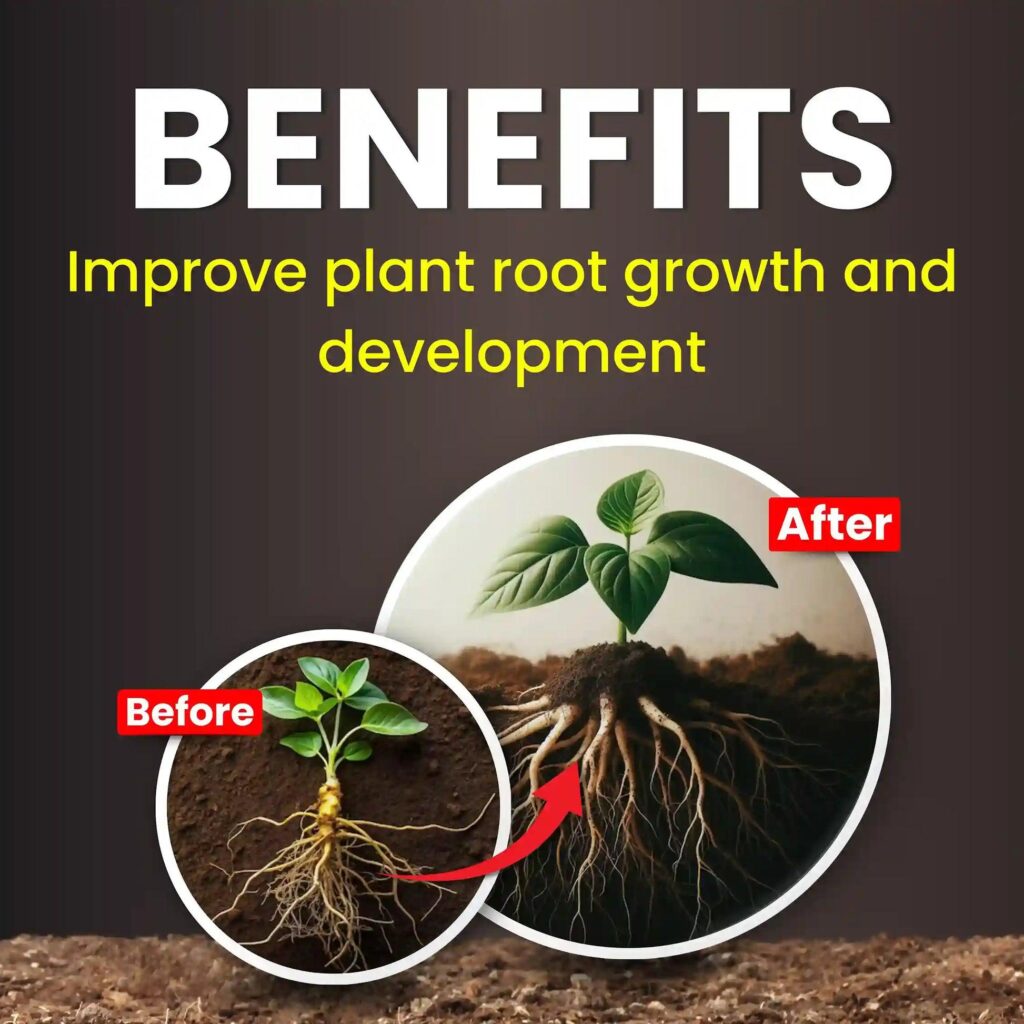
VAM అనేది మట్టిలో సమృద్ధిగా కనిపించే ఫాస్ఫేట్లను కరిగించే సామర్ధ్యం కలిగిన ఫంగస్. ఫాస్ఫరస్ లభ్యతను పెంచడమే కాకుండా, వ్యామ్ స్పోర్లు మరియు అననుకూల వాతావరణ పరిస్థితులను నిరోధించడానికి VAM మొక్కలకు అవసరమైన శక్తిని అందిస్తుంది. ఇది వేరు వ్యవస్థను సాధారణ వేరు పెరుగుదల కంటే నాలుగు రెట్లు ఎక్కువగా అభివృద్ధి /పెంచుతుంది. సూక్ష్మజీవులు ఏడు మీటర్ల లోతులో మట్టిలో వ్యాపించుతాయి. బెట్ట పరిస్థితులలో మొక్కలకి నీటిని కూడా సరిపడినంత అందిస్తాయి.
🦋🌱💥💯 నేల కర్బన శాతము పెంచుటకు 🌱" *డాక్టర్ సాయిల్" అదే ఆర్గానిక్ DAP... *VAM. మైకో రైజా తయారీ:-
@మొదట మనకు చౌకగా లభించే పేడ సేకరించాలి. జెర్సీ ఆవు/గేదె/కోళ్లు/గొర్రె,మేక/ఏ జంతువుల పేడ ఐనా సరే.దేశీ ఆవు పేడ కనీసం ఒక క్విన్టాల్ లేక వేరేమి కంపోస్ట్ పై పొరగా వేసుకోవాలి. వీడియోలో చూపిన విధముగా అడుగు బాగాన పంటల వ్యర్తాలు దాని పైన కొల్లపెంట,గొర్రె పెంట ,పశువుల పెంట పై బాగానే ఒక రెండు అంగులాల దేశ ఆవు లేక వర్మికపోస్టు దానిపై రెండు అంగులాల మంచి మట్టి వేసుకుని బెడ్ లాసర్దుకోవాలి. ఏ పేడ అయినాసరే ఒకే రకమైన సరే ఏది అది కాదు.
సాద్యమైనంత WDC పట్టించాలి ..(మనకు సులభముగా లభించిన పేడ మాత్రం మే సేకరించు కోవాలి,అన్నిరకాల పేడ తప్పనిసరి కాదు)కుప్ప పై న నీళ్లు బాగా పట్టిస్తే వ్యర్థాలు కుళ్లి మక్కిన పేడగా మారుతుంది/దానినే FYM అంటారు.
దానిపైన సాధ్యమైనన్ని నాలుగు రకాల విత్తనాలు(ఏకదల,ద్విదల, సుగంధ,నూనె గింజెలు) మైకొరైజా VAM కలిపి విత్తన శుద్ధి చేసి నాటుకోవాలి.
వాటి వెంట పశువుల పేడలో ఉండే కలుపు మొక్కలు కూడా మొలకెత్తనివాలి.కలుపు మొక్కలికి పూత రాగానే, విత్తనాలు తయారు కాముందే పై భాగాలు కోసి కలుపు మొక్కల వేర్లు దంచి పొడిగా చేసుకుని కుప్పపైనే వేసుకోవాలి.
తరచుగా బెడ్ పైన epfs, epbs, నూనెల పిప్పి/సేడిమెంట్,etc ఆర్గానిక్ కాషాయలు,చోహాన్ క్యూ ద్రావకాలు,చారుకోల్ etc వేసుకోవచ్చు,
పైవి అవి కూడా తప్పనిసరి కాదు మన దగ్గర ఉన్నవి, ఖర్చులేకుండా మనం తయారు చేసుకోగలిగినవి మాత్రమే ఉపయోగించాలి .
🌱🦋🐞 డాక్టర్ సాయిల్ బెడ్ పై పొరలో నాలుగు అంగుళాల మెత్తని హుస్సేన్ లాంటి బెడ్ ఏర్పాటు చేసుకుని అన్ని రకాల నారు పెంచుకోవచ్చు.
గణ జీవామృతం, ద్రవ జీవామృతం,*పశువుల పేడ నేరుగా ఎట్టి పరిస్థితుల్లో మొక్కలకు నేలకు దుక్కిలో ఇవ్వరాదు,పిచికారి _చేయరాదు.
☠️మనము ప్రస్తుతం చేసే తప్పుడు సేద్య పద్ధతులు మార్చుకోవాలి.ఎందుకంటే.....@ పశువుల మేత లోని కలుపు విత్తనాలు "సీడ్ బాల్స్" లా పచ్చి పేడలో తయారు అయి నేలలో నిక్షిప్తమై/నిద్రావస్థలో ఉండి బలంగా మొలకెత్తి దట్టమైన రక రకాల కొత్త కలుపులు అన్నిరకాల పంటల లో రైతులను చాలా ఇబ్బందిపాలు చేస్తున్నవి. కలుపు విత్తనాలు కాలువ నీరు, పేడ,గాలి,చెరువు మట్టి ద్వారా వస్తాయి.కూలిల బెడదతో కలుపు తీయించ లేక గత్యంతరం లేక రసాయన కలుపు మందులు వాడి చాలా నష్టపోతున్నాము..తాత్కాలిక నివారణకు
☠️గ్లయిపోసెట్ లేక ఇతర ఉప ఉత్పన్నకాలు వాడి నేలలోని అన్ని మిత్ర సూక్ష్మజీవులు, నేలపైన జీవరాశిని చేతులారా నాశనం చేసుకుంటున్నాం.ప్రదానపంటలు దీని ప్రభావంతో బలహీన పడి చీడపీడలబారిన పడుతున్నాం.చేలలోని మిత్రపురుగు వ్యవస్థ అంతరించి పోతున్నది.
*ఆర్గానిక్ DAP/డాక్టర్ సాయిల్ ద్వారా 100% కలుపు నివారించి మొక్కలకు కావలిసిన స్థూల , సూక్ష్మపోషకాలు తేలికగా అందించి మొదటి ప్రయత్నం లొనే రసాయన పంటల ఉత్పత్తికంటే 10% ఎక్కువ నాణ్యమైన స్వచ్చమైన ఆర్గానిక్ పంటలను కనీస పెట్టుబడి తో సాధించవచ్చు మూడు నాలుగు సంవత్సరాలు ఆగవలిసిన అవసరం లేదు.మొదటి పంటకే ఆర్గానిక్ సర్టిఫికేషన్ వస్తుంది.
Dosage
లారీలు,ట్రాక్టర్ల పేడ బదులుగా బస్తాలు కేజీలతో మంచి దిగుబడులు సాదించవచ్చు.కూలీల ఖర్చు తగ్గించడానికి డ్రిప్ కాలువల ద్వారా బియ్యం కడిగిన నీటిలో కరిగించి మొక్కలకు అందజేయాలి. దుక్కిలోచల్లుకోవాలి. నారుమడిలో చల్లుకుంటే నారు వేల ద్వారా చెనంతా సూక్ష్మజీవులు ఆక్రమిస్తాయి. నర్సరీ మొక్కలకు ప్యాకేట్స్ లో కొంచెం కొంచెం డాక్టర్ సాయి వేసి మొక్కలు నీడలో ఉంచి కనీసం వారం రోజులు అమృత ద్రావనంతో తడుపుకోవాలి. అందువల్ల నర్సరీ మొక్కల నుండి వచ్చే కొత్త కొత్త చీడపీడలు నియంత్రించబడతాయి .
@.డాక్టర్ సాయిల్ ను కనీసం 30 రోజుల తర్వాత నుండి వాడుకోవాలి.పేరుకే ఆర్గానిక్ DAP కానీ దీనీలో 18 రకాల VAM వేర్లు,మెగా,మైక్రానుట్రియన్స్, engymes, సూక్ష్మజీవన క్రిమిసంహారకాలు,ఎరువులు ,బయో డైనమిక్ లిక్విడ్ లోని ఆనంతకోటి మిత్ర సూక్ష్మజీవులు ఉంటాయి.. దీనికి ఎక్సపయిరీ లేదు ప్రతి సంవసరం కొంత పేడ జతపరచుకుంటే చాలు అదే రీసైకిల్ అవుతుంది..శీఘ్రముగా నేల కార్బనశాతము పెరుగుతుంది..
డాక్టర్ సాయిల్ లో ఎన్ని రకాల మొక్కలకు కావలసిన పోషకాలు ఉంటాయి వానపాముల వల్ల మొత్తం వర్మీ కంపోస్ట్ గా మారుతుంది దీనిలో 27 మైక్రో న్యూట్రాన్ లు సహజసిద్ధంగా తయారు అవుతాయి. అమృత ద్రావణం నుండి సేకరించిన డి కంపోస్ట్ నూనె చక్కల వల్ల ఫ్యాటి ఆమ్లాలు ,ఎమైనో ఆమ్లాలు ,
GEENERAL

General NOTES
Donec pede justo fringilla vel aliquet nec vulputate eget arcu vulputate.
నల్ల తామర, అన్ని రకాల చీడపీడల నియంత్రణకు ప్రాణమున్న సూక్ష్మజీవుల దివ్యౌషధం.
వైరస్/నల్ల తామర/ఎర్ర నల్లి నియంత్రణ
6 లీటర్ epfs7 రకాలు
6 లీటర్ epbs 15 రకాలు
6 లీటర్ల హ్యూమిక్ యాసిడ్ కాన్.
ఆరు రకాల నూనెలు ఒక్కొక్కటి
6 లీటర్ క్యాన్లు 50,000 ppm వి
1.వేప
2.కానుగ
3. సీతాఫలం
4.ఆముదం
5.ఆవాలు
6.కొబ్బరి
మొత్తం 9 రాకాలవి 6 లీటర్ కానులు.
6 కిలోలు. డా. సాయిల్/VAM
వాటిని ఒకేసారి ఒక్కొక్కటి చొప్పున కనీసం కనిష్టంగా 6000 లీటర్ల నీటిలో కలుపుకోవచ్చు. గరిష్టంగా 7000 లీటర్ల నీటి లో కలుపుకోవచ్చు.
అంటే 200 లీటర్ల నీటి డ్రమ్లో ప్రతి 200 మి.లీ.
20 లీటర్ల పంపులు 350 వరకు వస్తాయి.
రసాయన డ్రమ్స్ & స్ప్రేయర్ పైపులు మొదలైన వాటిని శుభ్రం చేయండి.
హెక్టారుకు ఒకసారి 1కిలో వ్యామ్ను వేస్తే సరిపోతుంది.
పైన పేర్కొన్న మోతాదు సరిపోతుంది.
ఈ సూక్ష్మజీవన కీటక నాశనులు హానికర కీటకాల పై పెరిగి అన్ని పంటలపై అన్ని రకాల తెగుళ్లను నియంత్రిస్తాయి.
Epbs వేర్లపై పెరిగి స్వయంగా స్థూల, సూక్ష్మ, అతిసూత్ర పోషకాలను అందిస్తాయి.
50,000 ppm నూనెలు రోగనిరోధక శక్తిని పెంచడానికి మరియు వైరస్లను నిరోధించడానికి నాణ్యమైన రెట్టింపు దిగుబడికి గ్లూకోజ్లా పనిచేస్తాయి.
ఎమ్మెల్సీ ఫైర్ లాంటి బయో-స్టిమ్యులెంట్లను జోడించవద్దు.
మొక్క త్వరగా కోలుకుని ఎక్కువ దిగుబడిని ఇస్తుంది.
ప్రతి ఐదు రోజులకోసారి పిచికారీ చేయాలి.
ఈ షెడ్యూల్ బ్లాక్ త్రిప్స్, రెడ్ బగ్స్, రూట్ రాట్ మొదలైన అన్ని రకాల శిలీంధ్రాలు మరియు తెగుళ్లను నియంత్రిస్తుంది.
ఏడు రకాల సూక్ష్మజీవన కీటక నాశనులు 1000 ml సాంద్రత లో ఐదు లీటర్ల మదర్ కల్చర్ల ద్రావణం.5000 లీ నీటికి కలుపుకొని నేరుగా పిచికారి చేసుకోవచ్చు , పావు లీటరు మదర్ కల్చర్ 200 లీ నీటికి కలుపుకుని పిచ్చికారి చేసుకోవాలి. 5 లీ కాన్ మొత్తం 200 పంపులకు వస్తుంది.
నాలుగు రోజులకు ఒకసారి మూడుసార్లు పిచికారి చేసుకోవాలి 12 రోజులలో అన్ని రకాల పురుగులు చీడపీడలునివారించబడతాయి. మొదటి నాలుగు రోజుల్లో ఎండు తెగులు మొత్తం కంట్రోల్ అవుతుంది ఎనిమిది రోజుల్లో నల్ల తామర కంట్రోల్ అవుతుంది. 12 నుండి 16 రోజుల్లో ఎర్ర తామర కంట్రోల్ అవుతుంది.
చల్లని స్థలంలో మంచం కింద మన బెడ్ రూమ్ లో కూడా ఆరు నెలలు నిల్వ చేసుకోవచ్చు.
వైరస్ పై ముడత నివారణకు.
15 రకాల సూక్ష్మజీవన ఎరువులు వైరస్ నివారణకే కాకుండా మొక్కల పెరుగుదలలో సమపాళ్లలో ఉండునట్లు పూత పిందె కాయ పెరుగుదలకు తోడ్పడి పంటల దిగుబడి 10% పెంచుతుంది.
పావు లీటర్ చిన్న బుడ్డిలో ఇవ్వబడుతుంది. చల్లటి స్థలంలో నిలువ చేసుకోవాలి.
20 లీ కాన్లో సాధారణ ఆర్వో వాటర్/ఫిల్టర్ నీళ్లు 15 లీ తీసుకుని పావు కిలో మెత్తటి బెల్లం కరిగించి వడబోసుకుని కలుపుకోవాలి. దానిలో 50ml వైరస్/EPBs కల్చర్ కలుపుకొని ఒక రోజునుండి ఐదు రోజుల లోపు పులియపెట్టుకొని వాడుకోవాలి.
రెండవ దఫా 15 లీ పులిసిన వైరస్ సూక్ష్మ పోషకార ద్రావణం నుండి ఒక్క లీటరు తోడు తీసుకుని రెండు వందల లీటర్ల డ్రమ్ములో రెండు కిలోల బెల్లం వేసి ఐదు రోజులు కలియ తిప్పినట్టయితే 200 లీ ద్రావణం తయారవుతుంది దానికి 100 ml వైరస్ బుడ్డి లోని మదర్ కల్చర్ కలుపుకుంటే చాలు. ఆ ద్రావణాన్ని మీరు పెట్టినప్పుడు కాలువలోకి వదులుకోవాలి డ్రిప్ ద్వారా కూడా పంపుకోవచ్చు. ఓకే ఎకరాకు తేలిగ్గా క్వింటల్ దిగుబడి పెంచుకోవచ్చు.
ఐదు లీటర్ల క్యాన్ లోని EPFs @ పావు లీటర్ చొప్పున 200లీ నీటిలో కలుపుకొని మొక్క తడిచేలాగా పైకి కిందికి పిచికారి చేసుకోవాలి. నేలకు దిగేలాగా వేళ్ళకు అందే లాగా ఇవ్వాలి. రసాయనాలు పిచికారి చేసినట్టుగా పైపైన కాకుండా రెట్టింపు పంపులు మొక్కలు పూర్తిగా తడిచేలాగా కొట్టుకుంటే బాగుంటుంది.
నోట్: రసాయనాలు వాడిన స్ప్రే పంపులు గొట్టాలు క్యాన్లు డ్రమ్ములు శుభ్రంగా సర్ఫ్ నీటితో కడుక్కోవాలి వాసన లేకుండా శుద్ధి చేసుకోవాలి.
( Epfs కలిపిన వెంటనే అదే రోజు వాడుకోవాలి నిలువ ఉంచకూడదు మిగిలితే నేలకు మొక్కలు మొదట్లో పోసి వేయాలి)
కాలువలలో నీరు పెట్టినప్పుడు/తడీగా ఉన్నప్పుడు సాయంత్రం పూట పిచ్చికారీ చేస్తే 100 శాతం ఫలితం సాధించవచ్చు.
పైవన్నీ కలుపుకొని పిచ్చికారీ చేసుకోవాలి నేలకు ఇవ్వాలి. బయటవి ఏవి కూడా రసాయనాలు గాని సేంద్రియ పదార్థాలు గానీ కలపకూడదు.
కొంతమేర దెబ్బతిన్న పంటలు కూడా పూర్తిగా పునరుద్ధరణ అవుతాయి.
Note: పత్తి, మక్కజొన్న, కూరగాయలు, బొప్పాయి, డ్రాగన్ ఫ్రూట్, మామిడి, జామ మొదలగు అన్ని పంటలకు రసాయన క్రిమిసంహారకాలు వాడకుండా ఎలాంటి చీడపీడల సోకకుండా సమగ్ర సస్యరక్షణ చేస్తే పది శాతం దిగుబడి పెంచుకోవచ్చు
EPF,s & EPB'sమదర్ కల్చర్ల ద్రావణం అన్ని రకాల పంటలకు కింద చూపిన విదంగా పిచికారి చెయ్యాలి
సేంద్రియ పద్దతి ద్వారా అశోకా సూక్ష్మజీవన ఎరువులు, కీటక నాశనములు, హుమిక్ యాసిడ్ (OWDC), 6 రకాల 50000ppm Oils వాడటం వలన నాణ్యత కలిగిన export ఎక్స్ పోర్ట్ క్వాలిటీ దిగుబడి సాధించి రెట్టింపు ఆదాయము పొందవచ్చు.
డ్రిప్/కాలువల ద్వారా మొక్కలకు అంటే అన్ని రకాల పంటలకు ఏకకాలంలో కావలసిన సూక్ష్మ , స్థూల పోషకాలు అన్ని సమపాళ్లలో అందుతాయి.
ఎలాంటి చీడపీడలు, తెగుళ్లు, వైరస్ సోకవు. VAM వలన మొక్కల వేళ్లు నాలుగింతలు పెరిగి నేల లోపల భాగంలో అల్లుకోని పోయి వాటికి కావలసిన ఆహారాన్ని సమతుల్యంగా పంచుకుంటాయి.
అందువల్ల గరిష్ట స్థాయిలో ఫల సాయం పొందుతాము.
రైనో సరస్ బీటిల్ కొమ్ము పురుగు, రూట్ గ్రబ్స్ ,వేరు కుళ్ళు కాండం కుళ్ళు,సంచి పురుగులు, జల్లెడ పురుగులు, తెల్ల దోమ, పచ్చ దోమ , రోగోస్ వైట్ ఫ్లై మరియు అన్ని రకాల చీడపీడలు రాకుండా కాపాడుతూ మొక్కల కాండం రెట్టింపుగా అభివృద్ధి చెంది మొక్క దొడ్డుగా పెరుగుతుంది
కుటుంబ సభ్యులే స్వయంగా ఎవరి మీద ఆధారపడకుండా వ్యవసాయం చేసుకోవచ్చు, ఒక వ్యక్తి ఒక హెల్పర్/పాలేరు సహాయంతో అన్ని పనులు చేసుకోవచ్చు, అందువల్ల ఈ పంటలను ప్రిఫర్ చేస్తున్నాము.
మన వారసులు భావితరాలకు సేంద్రియ ఆహారం అందించి వాళ్ళ ఆయుష్షు పెంచుదాం. కిడ్నీ జబ్బులు, క్యాన్సర్ రోగాలు, బీపీలు, షుగర్లు, గుండె జబ్బులు లాంటి ప్రాణాంతక వ్యాధులు రాకుండా కాపాడుకుందాం. మన ఆస్పత్రి బిల్లులను జీరో శాతానికి తగ్గించు కుందాము.
😇 మన వారసులకు బంగారం లాంటి నేల స్వచ్ఛమైన ఆరోగ్యము ఇవ్వడము మన బాధ్యత .
☠️విచ్చలవిడిగా కలుపు మందులు కీటక రాశులు రసాయన ఎరువులు మరియు కల్తీ మందులు నూనెలు డ్రగ్స్ కల్పిన బయో మందులు ఇవ్వడం వల్ల ప్రపంచవ్యాప్తంగా కొత్త కొత్త రోగాలు సోకి మన వారసుల భవిష్యత్తు లేకుండా చేస్తున్నాము.
..🌱🫘 విత్తన శుద్ధి
నర్సరీ మొక్కలు/విత్తనాలు క్రింది విధముగా శుద్ధిచేసి నాటుకోవాలి.
నర్సరీ మొక్కలు నేరుగా నాటుకుంటే వాటి వెంటనే చీరపీడలు నా తోటల్లోకి వచ్చి అపార నష్టం కలిగిస్తాయి.
డాక్టర్ సాయిల్ లో Epfs, Epbs , నూనెలు కలిపి తడిగా చేసుకొని విత్తనాలకు పట్టించి bio pryming చేసి కానీసం 15 నిమిషాలు నీడలో ఆరబెట్టి విత్తుకోవాలి.
నర్సరీ మొక్కలకు ప్యాకెట్లలో విత్తన శుద్ధి ద్రావణాన్ని పోసుకోవాలి కనీసం నాలుగు ఐదు రోజులు ప్యాకెట్లను కదిలించకుండా ఉంచాలి .
వాటి పేర్లపై VAM క్యాప్ లాగా పెరిగి వేరు నాలుగు గంటలు పెరుగుతాయి. పాట్ లో ఉన్న హానికర సూక్ష్మజీవులు గుడ్లు పురుగుల పైన సూక్ష్మజీవన కీటక నాశనులు పెరుగుతాయి.
వాటి వేళ్లపైన బొడిపెలు కట్టుకొని అన్ని రకాల epf ల సూక్ష్మజీవులు పెరుగుతాయి.
ఈ ప్రక్రియ వల్ల మొక్కలు బలంగా ఆరోగ్యవంతంగా పెరిగి నేను అని కూడా శుద్ధి చేస్తాయి.
🌶️🔥_నల్ల *తామర నివారణకు_ ( అన్ని రకాల చీడపీడల నియంత్రణకు ప్రాణమున్న సూక్ష్మజీవుల దివ్యౌషధం .)
*ఏడు రకాల సూక్ష్మజీవన కీటక నాశనులు epfs 1000 ml సాంద్రత లో ఆరు లీటర్ల మదర్ కల్చర్ల ద్రావణం.
6000 లీ నీటికి కలుపుకొని నేరుగా పిచికారి చేసుకోవచ్చు ,
ఆరు లీటరు మదర్ కల్చర్ 200 లీ నీటికి కలుపుకుని పిచ్చికారి చేసుకోవాలి. 6లీ కాన్ మొత్తం 300 పంపులకు వస్తుంది.
ఐదు రోజులకు ఒకసారి మూడుసార్లు పిచికారి చేసుకోవాలి 15 రోజులలో అన్ని రకాల పురుగులు చీడపీడలునివారించబడతాయి. మొదటి నాలుగు రోజుల్లో ఎండు తెగులు మొత్తం కంట్రోల్ అవుతుంది ఎనిమిది రోజుల్లో నల్ల తామర కంట్రోల్ అవుతుంది. 12 నుండి 16 రోజుల్లో ఎర్ర తామర కంట్రోల్ అవుతుంది.
కాన్ లను చల్లని స్థలంలో మంచం కింద మన బెడ్ రూమ్ లో కూడా ఆరు నెలలు నిల్వ చేసుకోవచ్చు.
వైరస్ పై ముడత నివారణకు.
15 రకాల సూక్ష్మజీవన ఎరువులు వైరస్ నివారణకే కాకుండా మొక్కల పెరుగుదలలో సమపాళ్లలో ఉండునట్లు పూత పిందె కాయ పెరుగుదలకు తోడ్పడి పంటల దిగుబడి 10% పెంచుతుంది.
ఆరు లీటర్ల క్యాన్ లోని EPFs @ 200ml చొప్పున 200లీ నీటిలో కలుపుకొని మొక్క తడిచేలాగా పైకి కిందికి పిచికారి చేసుకోవాలి. నేలకు దిగేలాగా వేళ్ళకు అందే లాగా ఇవ్వాలి.
రసాయనాలు పిచికారి చేసినట్టుగా పైపైన కాకుండా రెట్టింపు పంపులు మొక్కలు పూర్తిగా తడిచేలాగా కొట్టుకుంటే బాగుంటుంది.
నోట్: రసాయనాలు వాడిన స్ప్రే పంపులు గొట్టాలు క్యాన్లు డ్రమ్ములు శుభ్రంగా సర్ఫ్ నీటితో కడుక్కోవాలి వాసన లేకుండా శుద్ధి చేసుకోవాలి.
( Epfs కలిపిన వెంటనే అదే రోజు వాడుకోవాలి నిలువ ఉంచకూడదు మిగిలితే నేలకు మొక్కలు మొదట్లో పోసి వేయాలి)
కాలువలలో నీరు పెట్టినప్పుడు/తడీగా ఉన్నప్పుడు సాయంత్రం పూట పిచ్చికారీ చేస్తే 100 శాతం ఫలితం సాధించవచ్చు.
పైవన్నీ కలుపుకొని పిచ్చికారీ చేసుకోవాలి నేలకు ఇవ్వాలి. బయటవి ఏవి కూడా రసాయనాలు గాని సేంద్రియ పదార్థాలు గానీ కలపకూడదు.
కొంతమేర దెబ్బతిన్న పంటలు కూడా పూర్తిగా పునరుద్ధరణ అవుతాయి.
🌱🐞🌴🌽🍆Note: పత్తి, మక్కజొన్న, కూరగాయలు, బొప్పాయి, డ్రాగన్ ఫ్రూట్, మామిడి, జామ మొదలగు అన్ని పంటలకు రసాయన క్రిమిసంహారకాలు వాడకుండా ఎలాంటి చీడపీడల సోకకుండా సమగ్ర సస్యరక్షణ చేస్తే పది శాతం దిగుబడి పెంచుకోవచ్చు.
కాలర్ రాట్ / మిరప లో కొత్త తెగులు🔥
విచ్చలవిడి రసాయనాలు కల్తీ బయో మందులు వాడకం వల్ల మిరప పంటకు కొత్త తెగులు విచిత్రమైనది ఇంకా ఐడెంటిఫై కానిది సోకినది.
🌱💥 మిరప మొక్క మొదల్లో బూజు తెగులు వచ్చి మొక్క పై నుండి ఎండుకుపోయి నశించిపోతుంది పంట మొత్తం తుడిచిపెట్టుకుపోతుంది
ఇప్పటికైనా రైతులు మేల్కొని సూక్ష్మజీవన శాస్త్ర ప్రకారము 23 రకాల సూక్ష్యజీవులను మొక్కలకు నేలకు మరియు పైకి ఐదు రోజులకు ఒకసారి పిచికారి చేస్తూ సమగ్ర సస్యరక్షణ చేస్తే పంటను రక్షించుకోవచ్చు మంచి దిగుబడి సాధించవచ్చు .
ఏడురకాల సూక్ష్మజీవన కీటక నాశనులు మరియు 15 రకాల సూక్ష జీవన ఎరువులు రెగ్యులర్గా క్రమం తప్పకుండా ఇవ్వాలి.
VAM/ డాక్టర్ సాయిల్ ఒక్కసారి నెలకు ఎకరాకి ఒక కేజీ ఇవ్వాలి వేరు వ్యవస్థ బలంగా పెరిగి సగము చనిపోయిన మొక్కలు మళ్లీ బతుకుతాయి మంచి దిగుబడిని ఇస్తాయి.
Kg Dr soil ₹500/-
Epfs ఒక లీటరు ఏడు రకాలు కలిపిన మిశ్రమము 50 పంపులకు అంటే 1000 లీటర్లకు వస్తుంది ఒక లీటరు వెయ్యి రూపాయలు మాత్రమే దాని నేరుగా 200 లీటర్ల నీటికి 200 ml కలుపుకొని నేరుగా పిచికారి చేయడమే.
Epbs 15 రకాల సూక్ష్మజీవన ఎరువులు ఒక లీ పై విధముగానే ₹1000/-
ఆరు రకాల నూనెలు 50000ppm వేప, కానుగ, సీతాఫల్,ఆముదము, ఆవాలు, కొబ్బరి మరియు అమృత ద్రావణము humic acid కూడా ఒక లీటర్ బాటిల్లో వేరువేరుగా ఇవ్వబడతాయి. ఒక లీటరు₹500/- మాత్రమే.
ఒక్కొక్క లీటర్ వి 9 బాటిల్స్ మరియు ఒక కేజీ డాక్టర్ సాయిల్. మొత్తం
₹6000/-
ఒక లీటర్ సెట్ ఒక ఎకరా మిల్ప పంటకి పంట చివరి వరకు వస్తుంది.
సూక్ష్మజీవన శాస్త్ర ప్రకారం విత్తన శుద్ధి నుండి వాడుకుంటే రైతులు ఫెర్టిలైజర్ షాప్ కు వెళ్లకుండా ఎలాంటి రసాయన మందులు ఎరువులు కొనవలసిన అవసరము ఉండదు
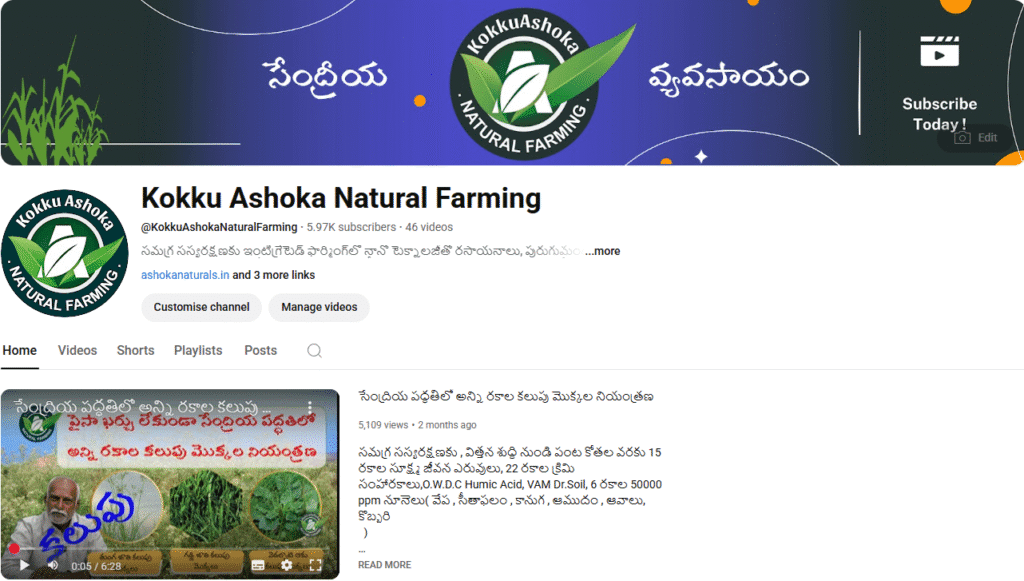
మీకు సహాయం చేయడానికి కొన్ని ముఖ్యమైన వీడియోలు ఇక్కడ ఉన్నాయి.
ఈ ఛానల్లో రసాయనాలు, పురుగుమందులు వాడకుండా, నానో టెక్నాలజీతో సహజ జీవన ఎరువులు, సూక్ష్మ జీవన కీటకనాశకాలు ఉపయోగించి పంటల సంరక్షణపై వీడియోలు అందుబాటులో ఉన్నాయి
సహజ ఎరువుల తయారీ, సహజ వ్యవసాయం పద్ధతుల గురించి వివరిస్తున్న వీడియోలు YouTubeలో ఉన్నాయి. వీటిలో రసాయనాల వాడకం తగ్గించి, నేల ఆరోగ్యం మెరుగుపరచడం, పంటల దిగుబడిని పెంచడం వంటి అంశాలు చర్చించబడతాయి
- అశోక సహజ వ్యవసాయం వీడియోలు రైతులకు రసాయనాలు లేకుండా పంటలను ఆరోగ్యంగా పండించే సహజ పద్ధతులను వివరిస్తాయి.
- అశోక సహజ వ్యవసాయం వీడియోలు పర్యావరణ పరిరక్షణతో పాటు స్థిరమైన వ్యవసాయాన్ని సాధించడంలో సహాయపడతాయి
- రైతులు ఈ వీడియోల ద్వారా ఖర్చులు తగ్గించి, పంట దిగుబడిని మెరుగుపరచుకునే మార్గాలు తెలుసుకుంటారు.
PM Modi's address at the National Conclave on Natural Farming in New Delhi | PMO
Kokku Ashoka Natural Farming

Contact Us !
Want to become a natural farmer ?
This is the perfect platform to become a natural farmer. Contact us now for more details.
Download our Web App
Free to download Android App